

The licensed mark and the challenged use
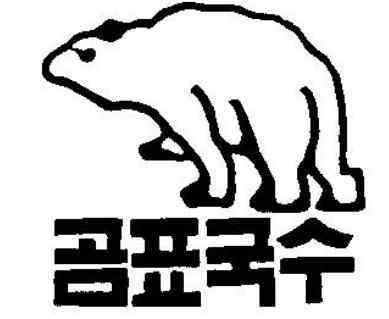
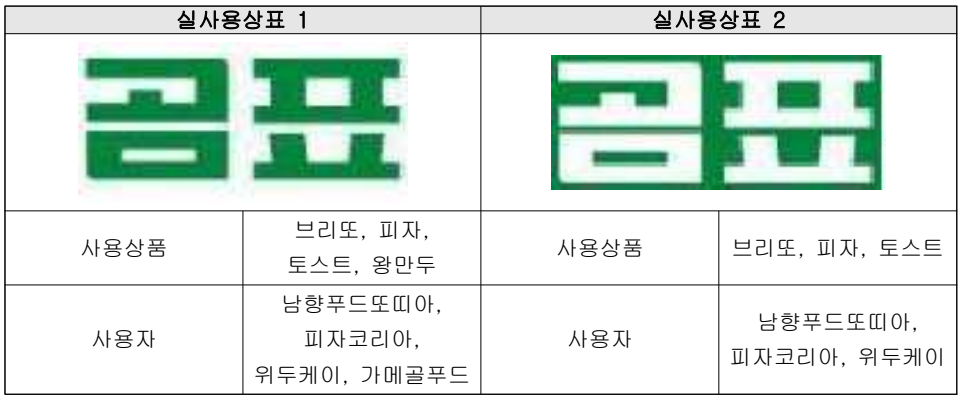
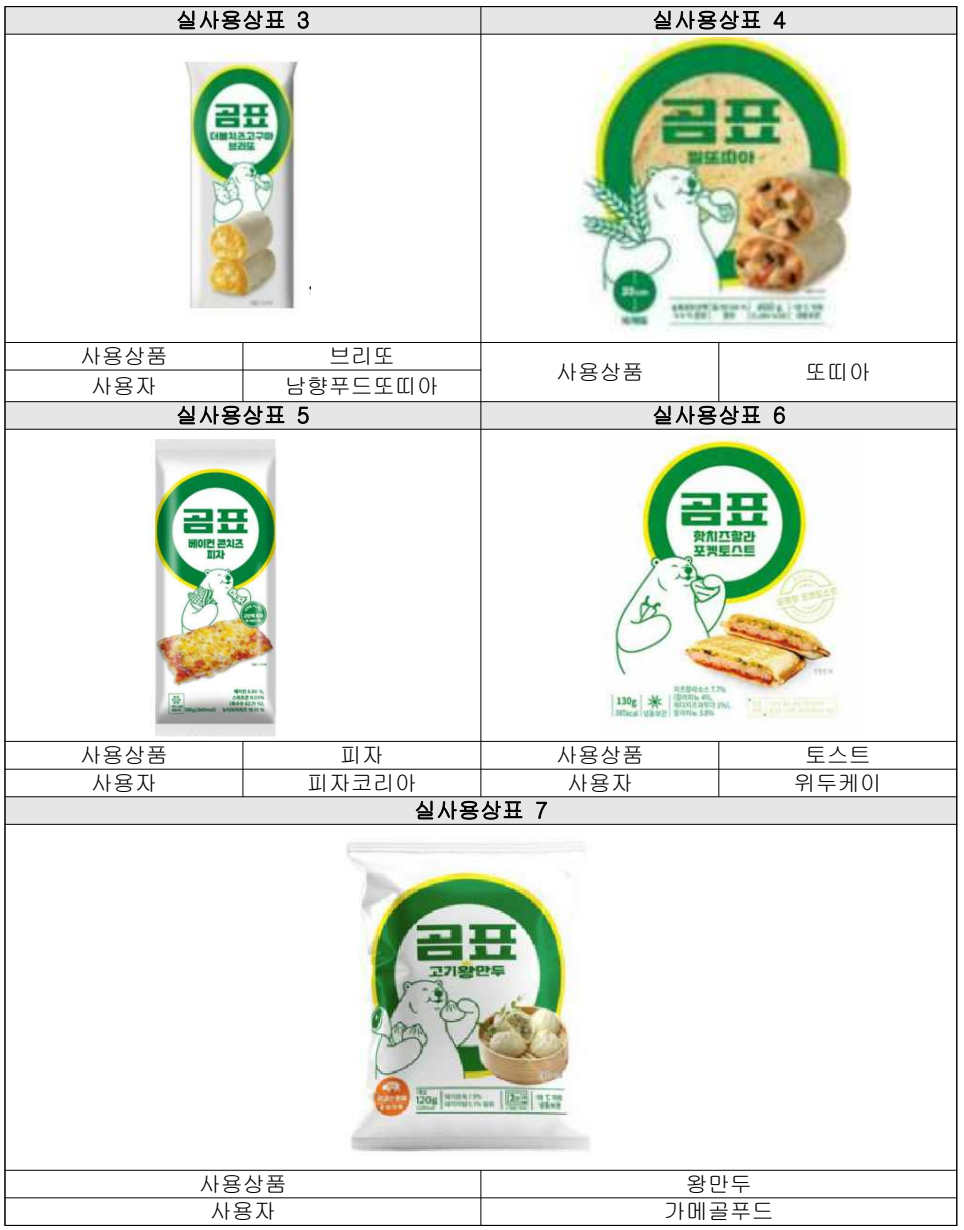
The Korean Patent Court dismissed case 2026Heo10002 on 15 September 2026, leaving cancellation of registration No. 113134, Gompyo Guksu, intact. The mark combines a four-legged bear and wording for Class 30 foods including noodles and toast. Its owner licensed three marks to Daehan Flour Mills for two years from 28 February 2021; that agreement ended on 27 February 2023. Other licensing or OEM arrangements from late 2022 conferred express or implied non-exclusive rights. Their users sold pizza, burritos, toast, tortillas and dumplings under seven actual-use marks. Daehan obtained the cancellation decision on 27 November 2025.
Two distinct comparisons
Article 119(1)(2) addresses a licensee’s use causing quality deception or source confusion. First, the court compared actual use with the registered mark: despite visual differences, Gompyo remained distinctive and the sound, meaning and food goods were sufficiently similar. Second, it compared that use with Daehan’s established signs. Lettering, white-green-yellow colors, the smiling bear’s pose and food imagery preserved a closely similar creative motif despite round rather than straight bands. Sales presentation and related foods reinforced source confusion. Daehan’s pre-existing goodwill was not automatically transferred to the licensor by its earlier license.
Intent and meaningful supervision
The provision did not require a separate showing of a licensee’s unfair-competition purpose or intent. The owner could nevertheless avoid cancellation by proving substantial care. Contractual approval clauses, warnings and change requests were insufficient here: use occurred under the owner’s control or approval, the revised designs retained the confusing motif, and evidence did not show a concrete review of residual confusion or prompt effective action after formal complaints. The court also rejected abuse of rights. It did not decide the legality of all Daehan branding or cancel every Gompyo mark.
Review what consumers actually see
Preserve the registered sign, approved artwork, final packaging and online advertisements separately. Examine the combined effect of words, characters, colors and placement, and verify that requested corrections reach the sold product. After a complaint, document the assessment, required changes or suspension and actual compliance. These are practical recommendations drawn from the decision; approval paperwork alone does not show that confusion was effectively addressed.
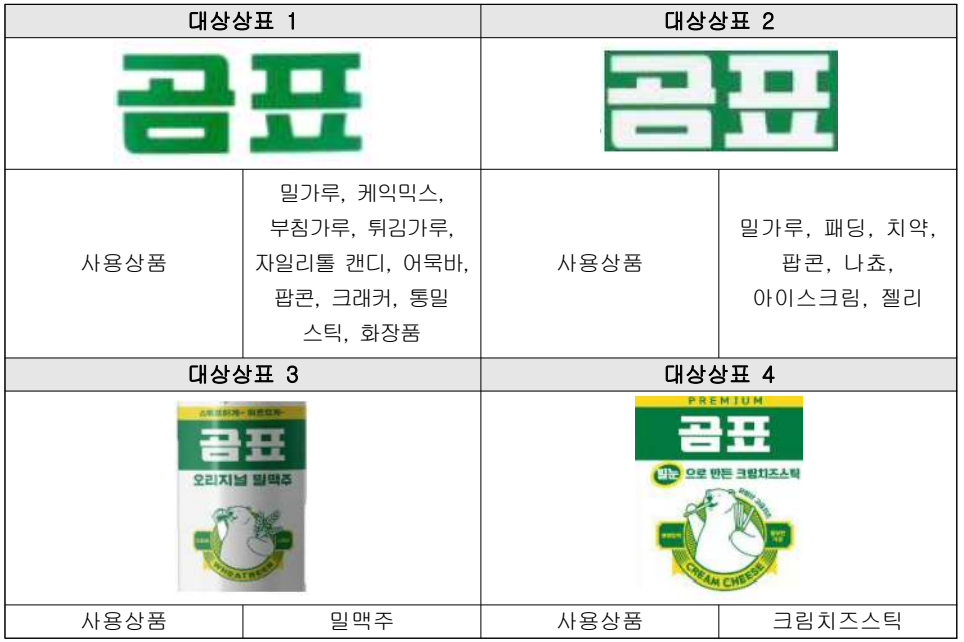
The original figure labels and forms are preserved; the text explains the source material.