

The earlier mark and the challenged decision
On 1 September 2026, Korea’s Patent Court annulled the invalidation decision concerning 天壹蔘 in case 2025Heo10592. Trade mark 0547090 was filed on 11 October 2001, approved for registration on 3 March 2003 and registered on 6 May 2003 for ginseng, red ginseng, processed products of both and Taeguksam. In proceeding 2024Dang693, the Intellectual Property Trial and Appeal Board had found on 3 September 2025 that distinctiveness had been lost after registration. The court found that the evidence did not establish either an initial or a subsequent ground of invalidity.
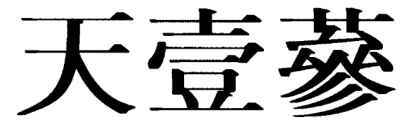
An allusion to quality is not necessarily descriptive
Because 蔘 means ginseng, attention centered on 天壹, pronounced Cheonil in Korean. The court treated it as a coined expression without a fixed dictionary meaning. An association with rarity or being foremost did not show that ordinary consumers immediately understood it as a quality grade. Specialist familiarity with the grade name Cheonsam did not establish the same understanding of Cheonil among the public. An industry association’s assertion, without objective support, was insufficient.
Packaging evidence must be read in context
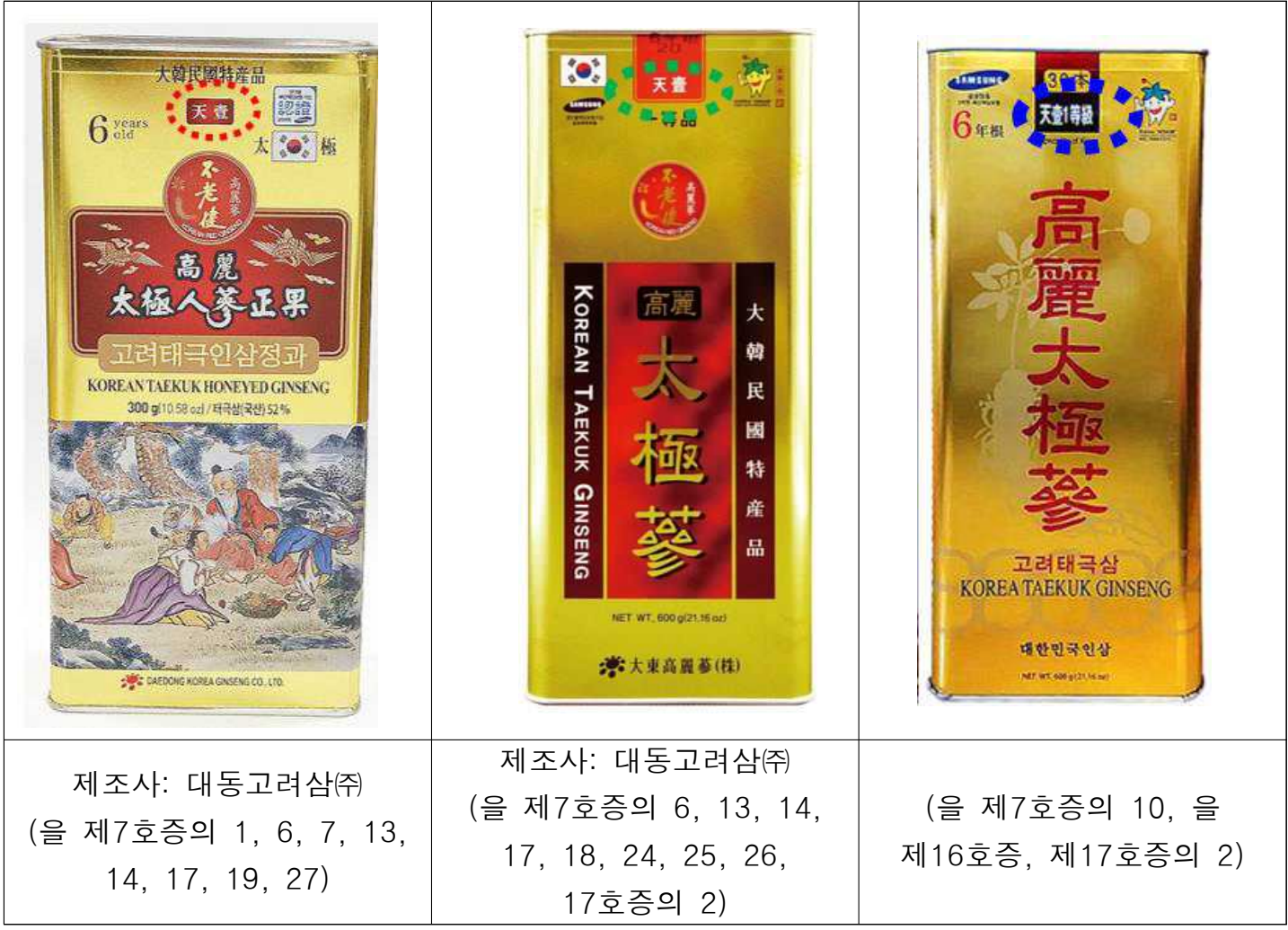
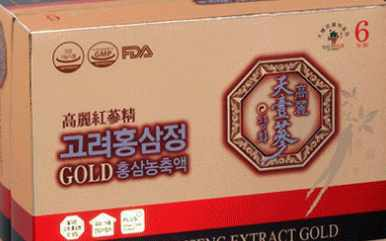
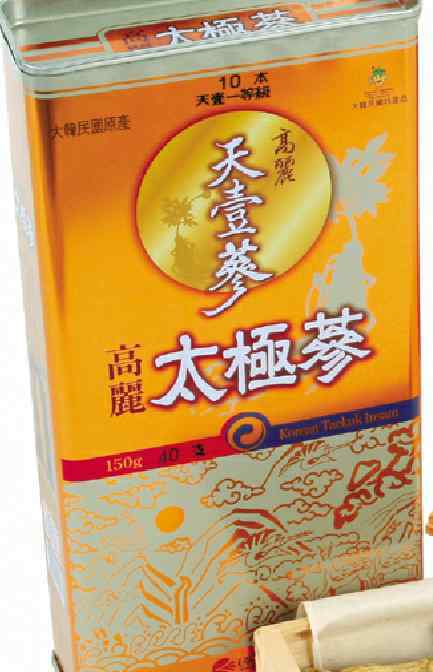
Several packages displayed a product name referring to Korean or Taeguk ginseng prominently in the center, with 天壹 in smaller lettering above it or near the top. Other products used Cheonil in the name but separately identified the ingredient as Korean Taeguk ginseng or Korean red ginseng. These examples did not demonstrate that 天壹 had become a generic or customary designation for the goods. The positioning and role of a sign mattered more than the mere fact that it appeared on another supplier’s packaging.
The variety name came later
The ginseng variety name Cheonil was applied for on 18 November 2008, and the plant variety right was registered on 15 March 2012. The opponents relied on Supreme Court case 2003Hu1314 of 24 September 2004, but that case concerned a trade mark applied for after the variety name had been registered. Here the chronology was reversed. The court examined actual use and the relevant timing rather than treating the later variety registration as automatically destroying the earlier mark. The former Seed Industry Act also restricted variety denominations liable to be confused with earlier trade mark applications or registrations.
Limited examples did not prove loss of distinctiveness
The evidence identified 94 product names containing Cheonil, against thousands of ginseng and red-ginseng listings. That did not show use extensive enough to establish genericization. Registrations of composite marks containing the expression did not prove that the expression itself had lost distinctiveness. Limited Chinese-market examples were likewise insufficient to establish how Korean consumers understood the sign. The proprietor’s prominent branding on packaging and in advertising supported continued use as an indication of origin.
Build the chronology and the evidence together
A challenge based on a variety name should distinguish the dates of the trade mark application, registration, variety application and variety-right registration, then connect those dates to actual market use and consumer perception. Right holders should retain dated packaging, advertising and sales materials. The decision rejects the invalidation grounds established on this record; it does not decide whether a particular third party’s use infringes the mark, nor does it make every earlier mark immune from later loss of distinctiveness.
The original figure labels and forms are preserved; the text explains the facts and the court’s reasoning.