
Two designs and an infringement dispute
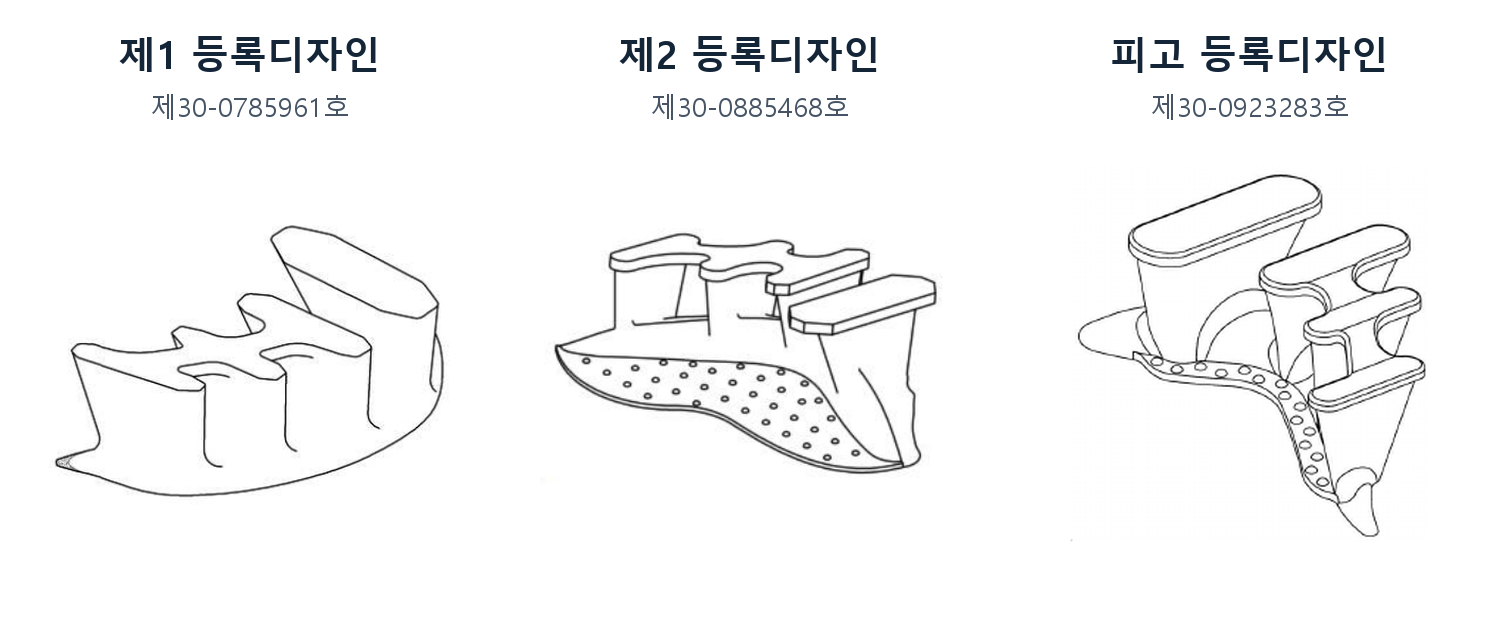
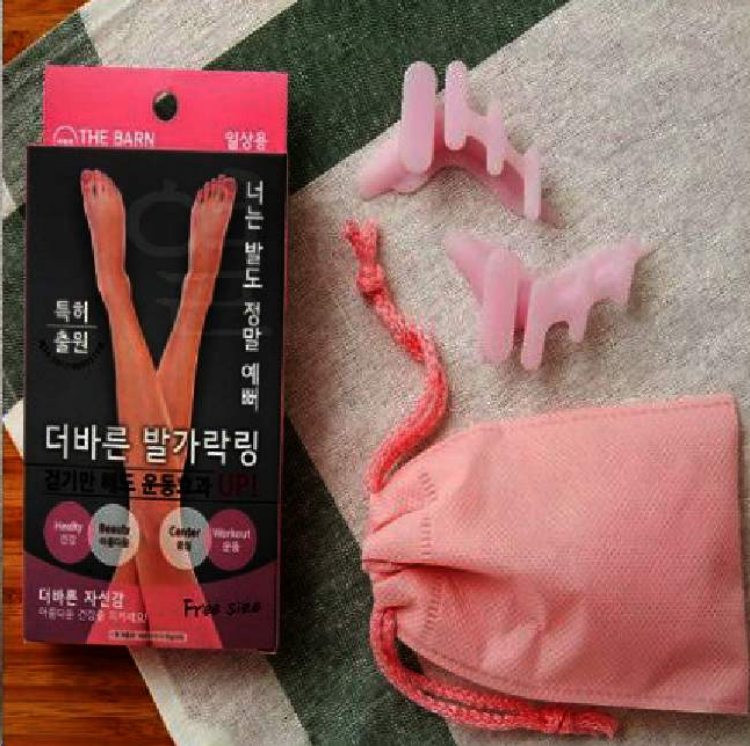
The Korean Patent Court’s judgment of 27 November 2025, case 2025JaeNa10010, concerns toe-correction devices. The claimant held an exclusive licence under design No. 30-0785961 and jointly owned design No. 30-0885468 with a participant in the mediation. The defendant made and sold products based on its own registered design, No. 30-0923283. The claimant sought to prohibit manufacture and sales, destroy products and recover damages for infringement of its rights in the first two designs.
The Seoul Central District Court allowed the claims on 25 June 2021 in case 2019GaHap564832. On appeal, the Patent Court issued a decision in lieu of mediation on 20 March 2023, requiring cessation, destruction and monetary payments. It became final on 12 April 2023. Under Korean procedure, such a final decision has the effect of a judicial settlement; a party cannot simply withdraw from it.
The timing of invalidation mattered
Design 1 was invalidated for similarity to a prior design, and the invalidation became final on 19 January 2023, before the mediation decision. Design 2 was invalidated because it could easily have been created by combining earlier designs; that decision became final on 23 April 2024, after mediation. The case therefore did not involve two rights disappearing simultaneously after settlement.
A criminal conviction concerning infringement of Design 2 had also become final. After that design was invalidated, criminal retrial proceedings resulted in a final acquittal. The basis was that the design right was deemed never to have existed, so manufacture and sale of the relevant products could not constitute infringement of that right.
Reopening required a link to the earlier decision
The defendant sought the exceptional Korean procedure for reopening a final record, applying Article 451(1)(8) through Article 461 of the Civil Procedure Act. The issue was whether a judgment underlying the earlier factual findings had subsequently changed. This is not an additional ordinary appeal. Because an unreasoned decision in lieu of mediation may reflect numerous considerations, the grounds for reopening must be assessed more strictly than for an ordinary judgment.
The court found the necessary connection. Design 1 was already invalid, and the defendant had notified the court of that result and the challenge to Design 2. Earlier criminal decisions were in the civil record, even though the particular later final conviction had not formally been submitted before mediation. Their substance had informed the factual assessment. Equal payments to the claimant and the co-owner of Design 2 also supported the conclusion that infringement of that remaining right underpinned the mediation outcome.
What was set aside, and what remained outside the case
The later acquittal changed that foundation and could affect the mediation decision. The Patent Court reopened and cancelled only the part of the mediation record between the claimant company and the defendant, set aside the first-instance judgment and dismissed the company’s claims. Under Article 121(3) of the Design Protection Act, final invalidation meant both rights were deemed never to have existed; the claims based on Design 1’s exclusive licence and Design 2’s ownership therefore failed.
The defendant had sued only the claimant company. The judgment did not cancel the separate part involving the mediation participant, nor did it resolve the dispute by finding the product shapes dissimilar. In practice, assess the validity of each right separately from the continuing force of the settlement, map the dates right by right, and connect invalidation, civil and criminal records. A favourable result in another proceeding is not enough: identify the premise it changes and the precise parties and relief for which reopening is sought.
The original figure labels and forms are preserved; the text explains the facts and the court’s reasoning.