

Photographs posted by customers before a design application can become prior art. In this Korean fabric dispute, the Patent Court examined whether those photographs derived from the proprietor’s own disclosure and showed the same design.
The fabric’s route to market
On 13 March 2015, a fabric seller sent a photograph of duck-pattern material to a dealer through KakaoTalk with a sales proposal. The dealer bought the fabric and posted photographs on a blog on 23 March. Sales also took place through physical shops and distance selling. The seller filed the repeating duck-pattern fabric design on 15 July 2015, obtaining registration No. 820830.
The defendant sought invalidation using photographs and other material published before filing. The Intellectual Property Trial and Appeal Board rejected the proprietor’s disclosure-exception argument and found the design lacked novelty. The proprietor brought an action to cancel that decision.
The exception applicable to this filing
Novelty normally excludes a design identical or similar to an earlier publicly known design. Korea’s exception can remove an entitled person’s own disclosure from the prior art assessment when the statutory requirements are met. The former Article 36 applied in this case required filing within six months of disclosure.
The proprietor filed within that period and submitted the claim to the exception and supporting evidence with its response in the invalidation proceedings. The court considered both what had first been disclosed and whether later publications followed from that disclosure and reproduced the same design.
Tracing the dealer’s and customers’ photographs
The sales photograph sent on 13 March was the first disclosure: there was no basis for a confidentiality obligation, and the proprietor supplied the dealer with the fabric. Prior design 6, photographed for the dealer’s blog, therefore derived from that disclosure. The yellow ducks’ red beaks and black eyes, the arrangement of ducks with and without headscarves, and their proportions determined the visual impression. Lighting and camera settings could explain differences in colour and small headscarf details; the commercially noticeable shapes and arrangement did not differ materially.
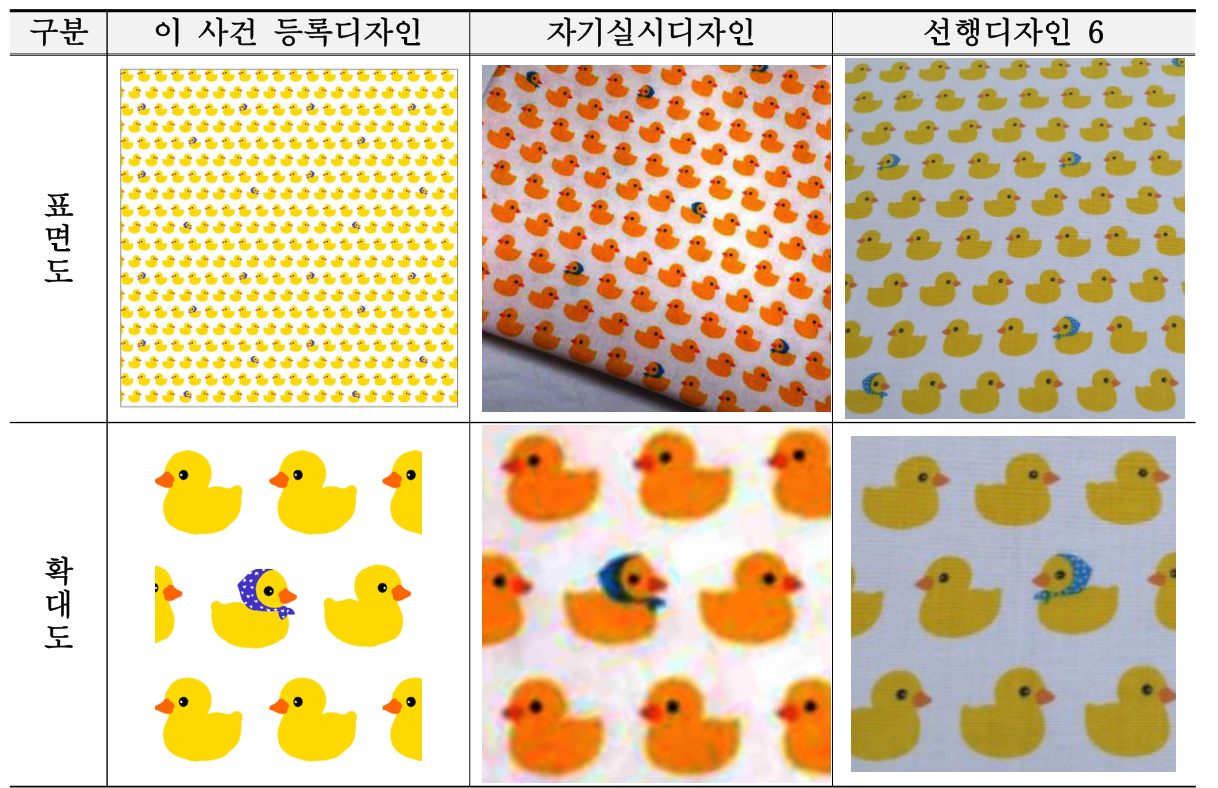
Other posts showed clothing made from purchased fabric. The court connected publication dates, supplies to retailers and a children’s clothing maker, and the purchasing routes described in posts. Even without a direct transaction record for every poster, identical patterns, nationwide distribution and the absence of evidence of another producer supported derivation. The exception covered prior designs 1–7 and 10–12. Third-party authorship alone was not decisive: both the disclosure chain and identity of the design mattered.
Independent duck images and adhesive tape
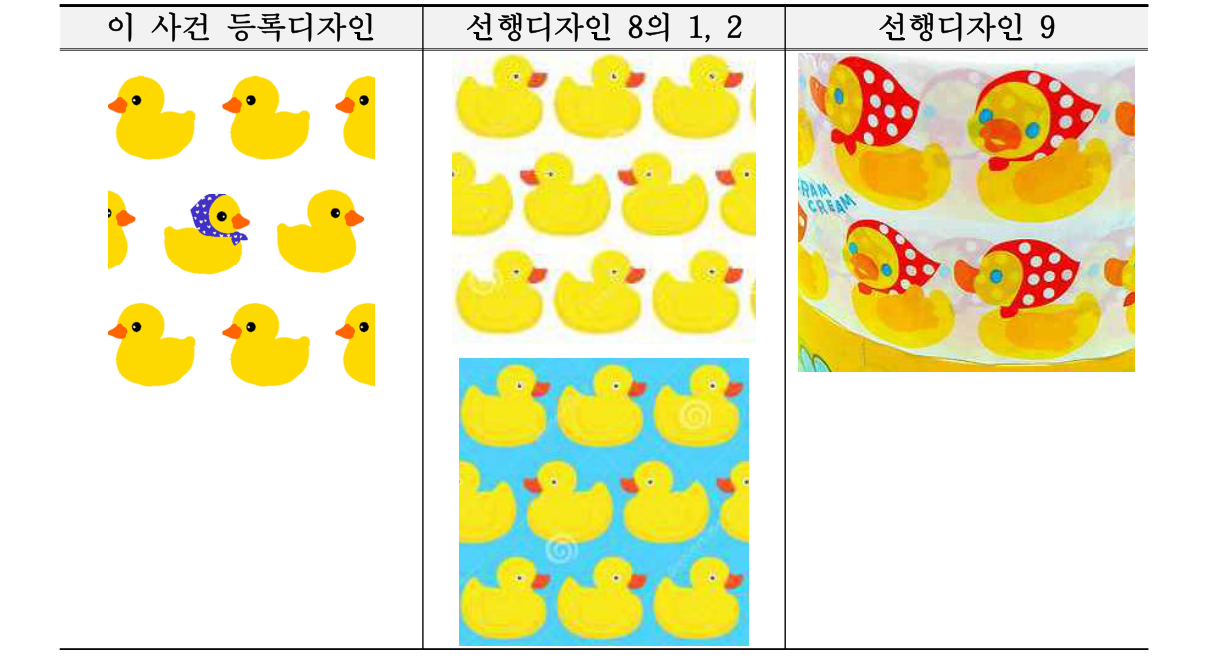
Prior design 8 was an online pattern whose associated product could not be established. Prior design 9 appeared on adhesive tape, which had a different purpose and function from fabric. The court did not treat these as designs for identical or similar articles.
Their overall patterns also differed. The registered fabric mixed ducks with and without headscarves; prior design 8 lacked headscarved ducks, while the tape showed only ducks in red headscarves, all rows facing left. The court rejected the argument that combining these materials made the registered design easy to create and cancelled the invalidation decision.
Evidence to preserve before and after launch
Keep dated photographs for each product version together with the first transmission, orders, delivery records and retailer links. Where a buyer makes clothing from the fabric, the post’s date and evidence identifying the fabric can help connect the later image to the original disclosure.
The judgment applied the historical six-month period. Current Korean Design Protection Act Article 36(1) provides a twelve-month period. Filing before external disclosure remains preferable; if disclosure has already occurred, establish its earliest date and route, then examine the applicable law and evidence.
The original figure labels and forms are preserved; the text explains the source material.