

Photographs of clothing worn by a mannequin can define a registrable design when the garment itself is sufficiently clear. The decisive questions are whether the design can be reproduced and whether the claimed appearance differs from earlier designs.
In case 2021Heo2687, decided on 20 January 2022, the Korean Patent Court rejected an action seeking to overturn the dismissal of an invalidity challenge to design No. 852475.
The garment and the challenge
The design, filed on 23 February 2016 and registered on 27 April 2016, combined a long-sleeved T-shirt with a neck and face covering. Ear openings and a fastening strap over the head held the covering in place. The challenger relied on an earlier T-shirt design, No. 655825, and a perming headband, No. 760127.
It argued that stretching on the mannequin obscured the garment’s true form, that the design resembled the earlier shirt, and that adding a hook-and-loop fastening was straightforward.
Photographs must identify the reproducible article
The application described textile material, not a spandex construction, and the photographs did not establish the alleged stretching. The description expressly excluded the mannequin, shadows and wrinkles from the design.
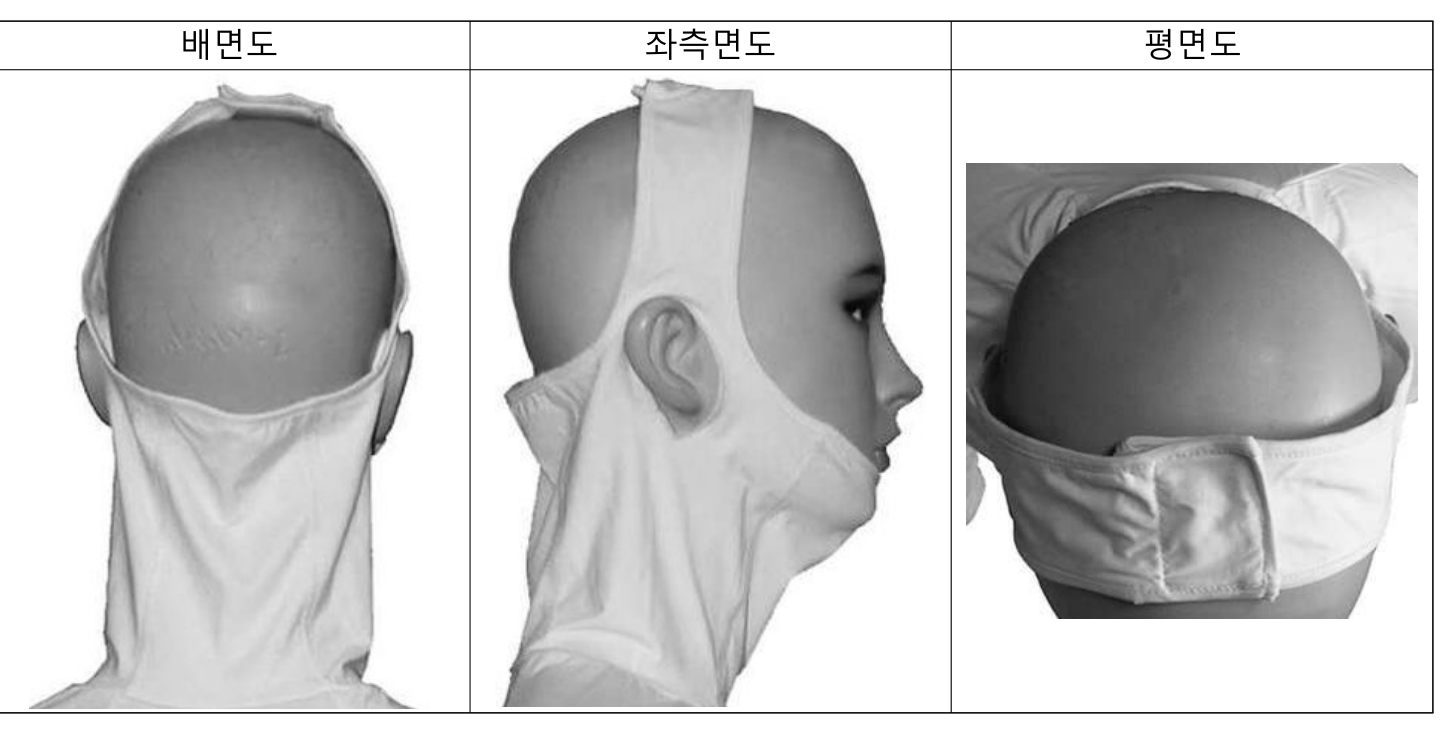
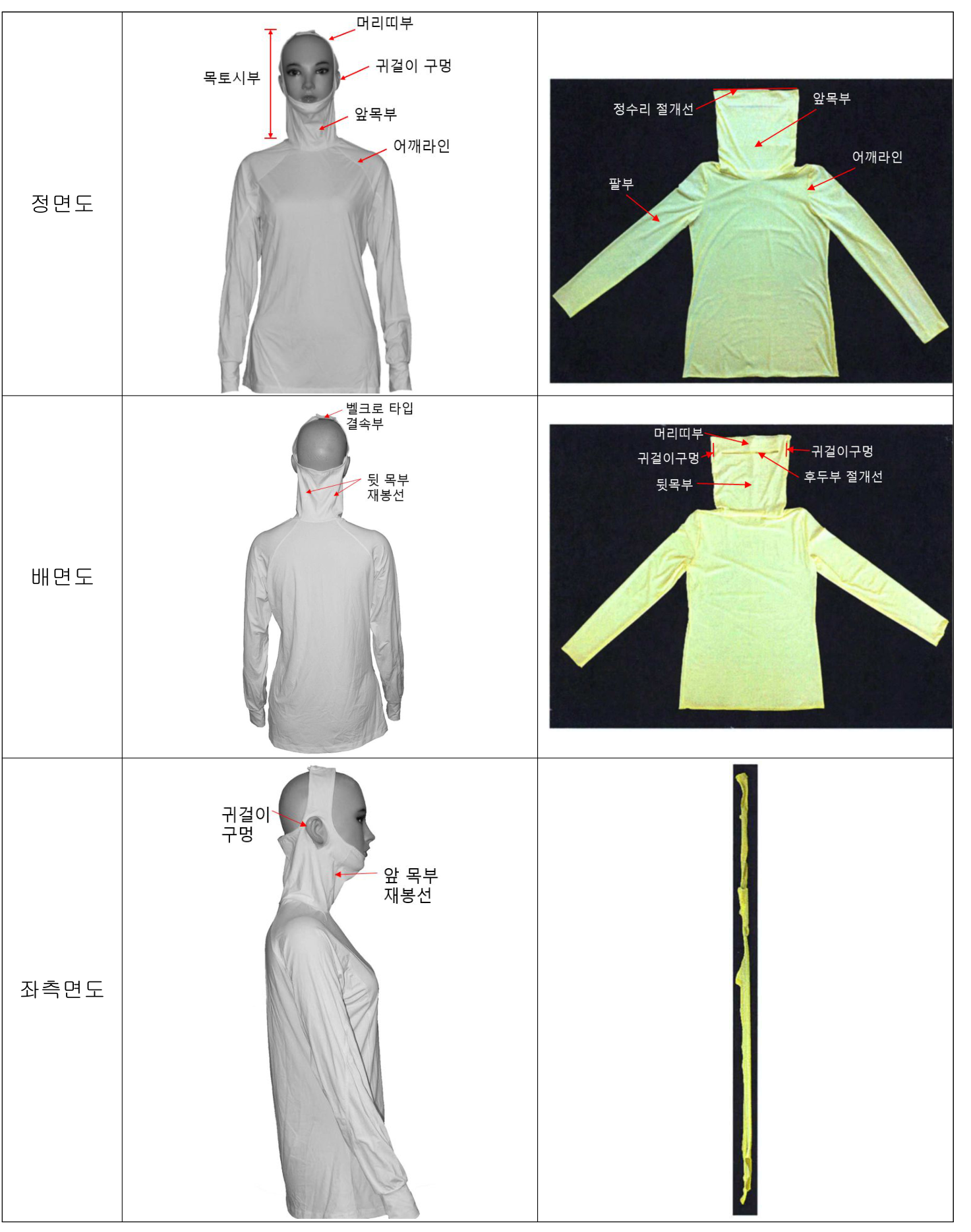
Perspective, front, rear, side and top views allowed the garment’s form to be understood as a whole. The court therefore rejected the argument that the photographs made repeat manufacture impossible. A mannequin was a means of presentation, not part of the protected article.
Shared functions did not determine the visual comparison
Long sleeves, face and neck coverage, ear openings and a head-supporting portion served the garment’s basic function. Their common presence carried less weight than distinctive features in the overall visual impression.
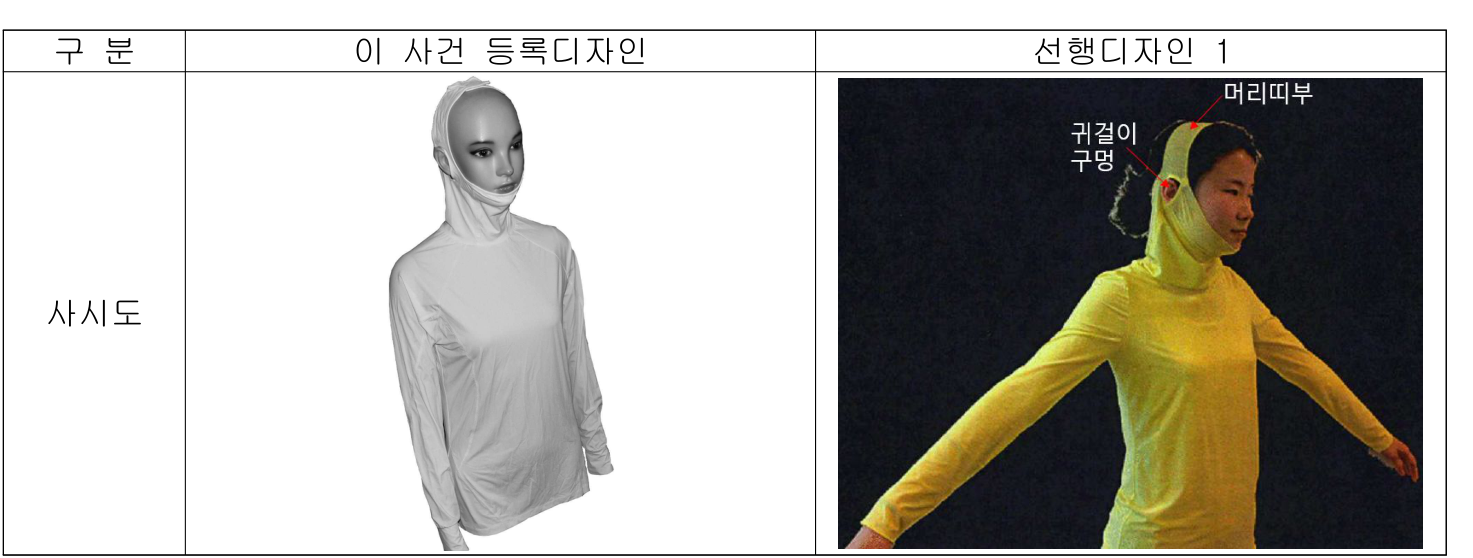
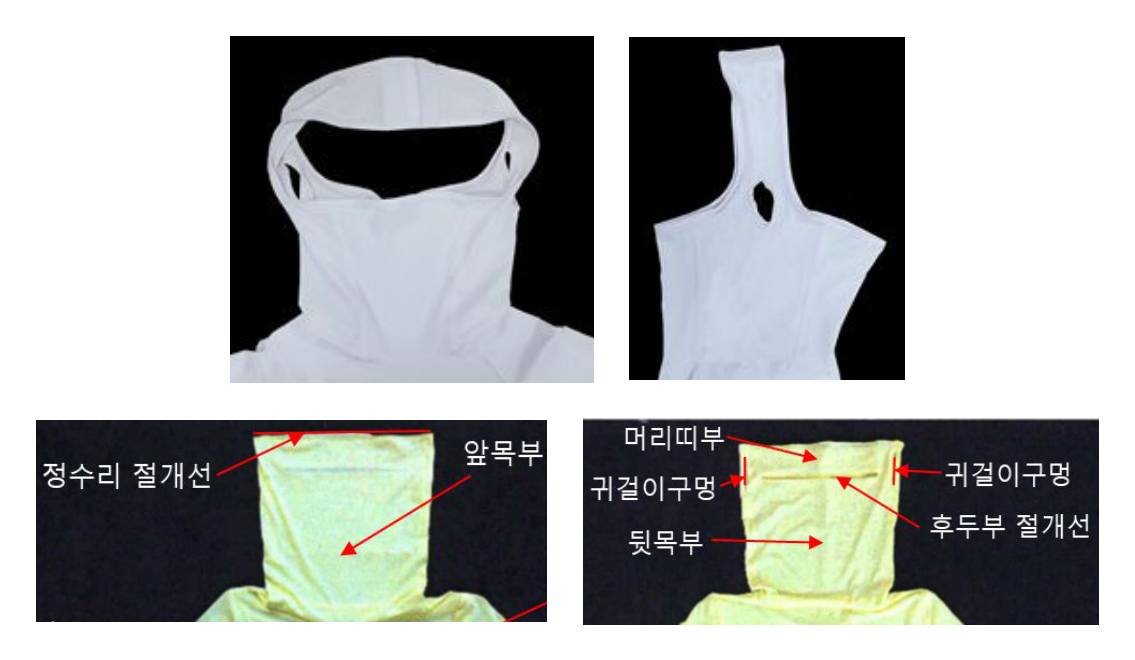
The registered design used two overlapping fastening straps across the crown, creating a visible break, while the earlier design had a smooth continuous stretch band. Its cylindrical covering also stood away from the face and rear of the head, unlike the earlier rectangular, closer-fitting front and back portions. Similar stitching or colour did not outweigh those differences.
The headband reference did not make the design easy to create
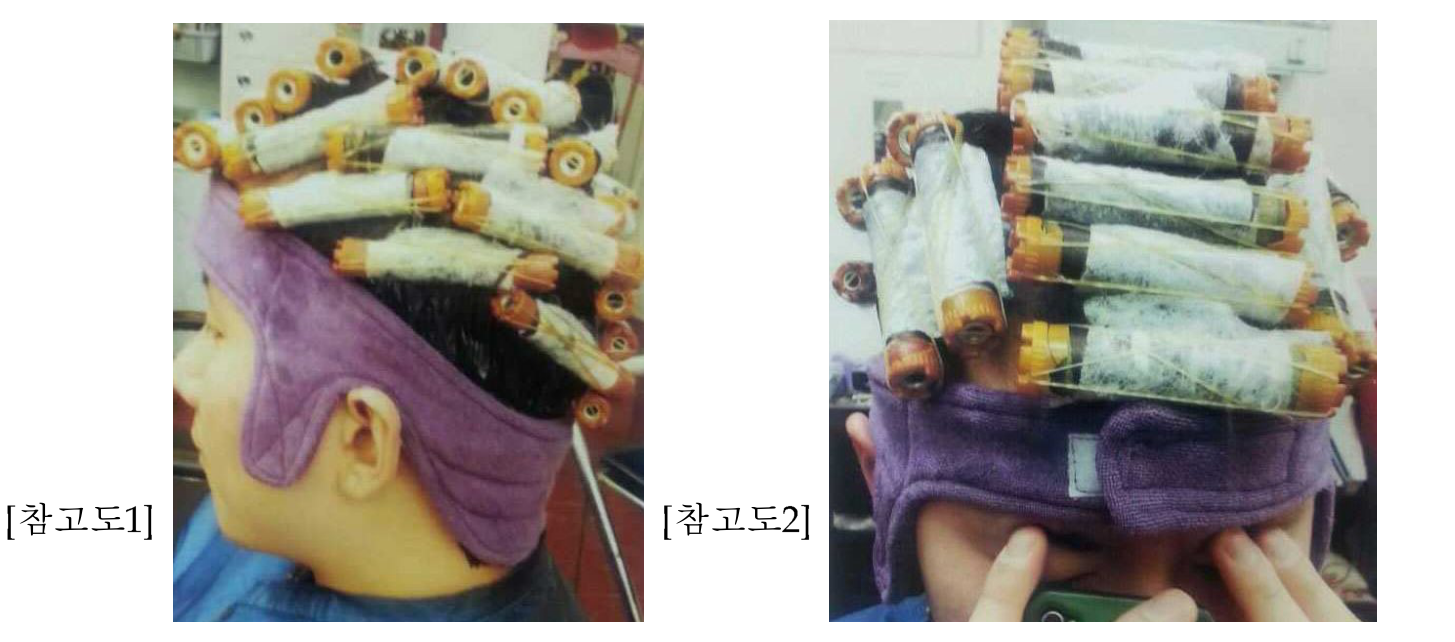
The perming headband showed a hook-and-loop closure, but transferring that feature required more than replacing a fastener. Splitting the earlier shirt’s stretch band could affect its retention, and the reference did not supply the loose cylindrical covering.
The court assessed the resulting appearance and the necessary modifications together. It did not treat the known use of a fastening component as proof that the complete design was readily created.
Preparing useful application evidence
Photograph the same article consistently from several directions and make seams, openings and the fastening arrangement legible. Where opening or folding changes its presentation, include the relevant states and explain excluded background elements.
This decision concerns the sufficiency and distinctiveness of a particular photographic disclosure. It does not make every mannequin photograph adequate, nor does a functional similarity alone establish design similarity.
The original figure labels and forms are preserved; the text explains the source material.