

An old factory photograph does not, by itself, establish that a later registered design lacks novelty. In its judgment of 1 September 2026 in case 2025Heo8, the Korean Patent Court examined the identity and age of the equipment, the evidence of confidentiality and the overall visual impression of each cited design.
The design and the challenge
Design registration No. 0943088, filed on 21 April 2017 and registered on 31 January 2018, concerns a powder-discharge device. A cylinder opens and closes a plate below a pipe to dispense measured quantities of powder or granules.
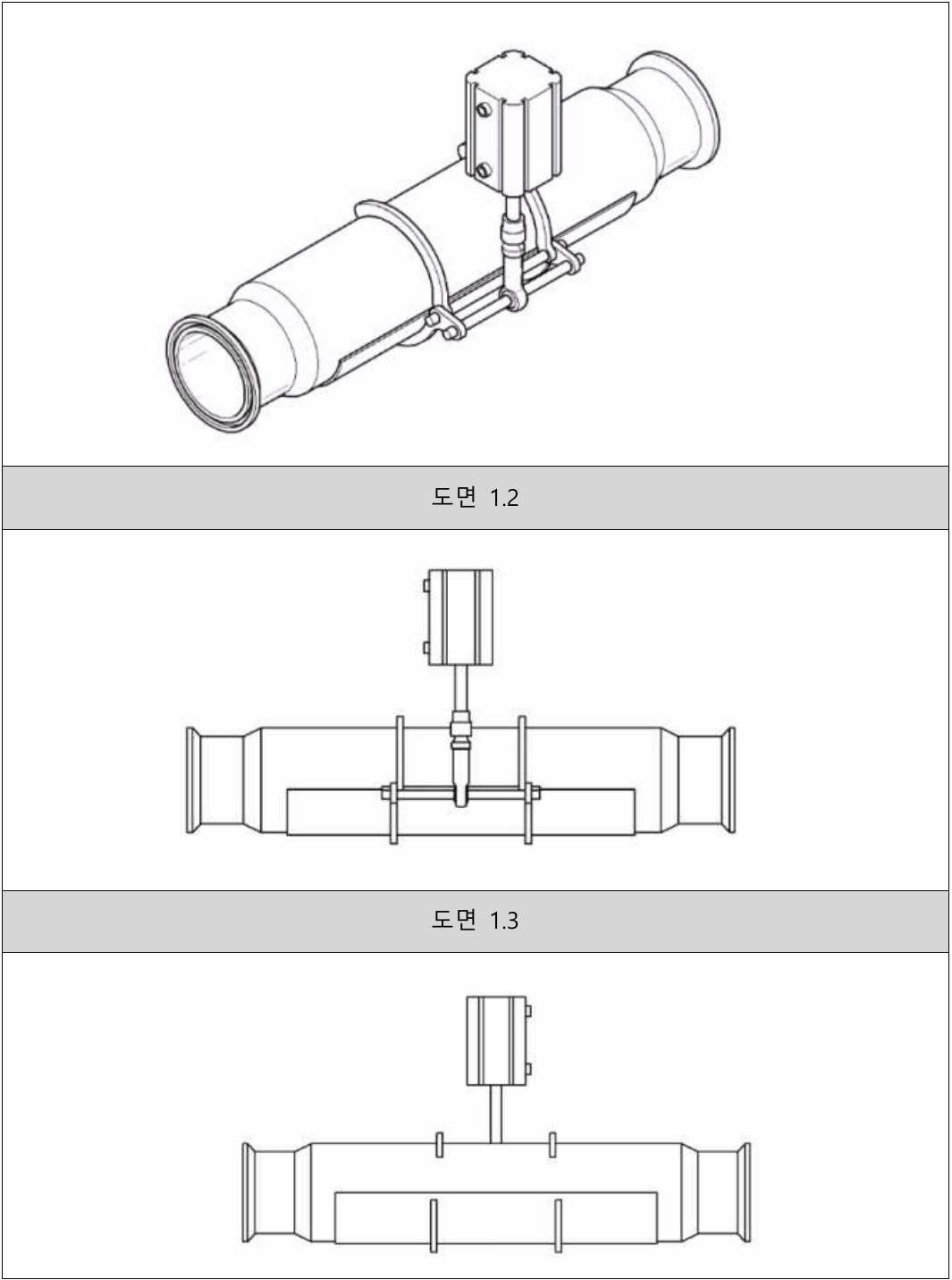
The challenger relied on drawings and photographs of equipment at several factories. After the Intellectual Property Trial and Appeal Board dismissed the invalidation petition on 8 September 2025, the challenger sought annulment. The issue was novelty: each earlier design had to be assessed separately, without assembling features from different references.
Equipment inside a factory is not necessarily confidential
Public knowledge requires that an unspecified range of people could have perceived the design; proof that many people actually saw it is unnecessary. Public use likewise turns on whether the design was used without confidentiality restrictions that prevented such access. The challenger must establish pre-filing disclosure, while a proprietor relying on an obligation of confidentiality must establish that obligation.
Here, the evidence did not sufficiently establish confidentiality covering the equipment’s appearance, employees’ duties or strict access controls. The need to obtain permission to enter was not enough. This is a finding on the evidence in this case, not a rule that all equipment inside factories is public.
The confidentiality agreement had a defined scope
A May 2010 agreement was relied on for reference 3-1, a drawing associated with a 2013 installation. The court understood the agreement principally to protect technical exchanges concerning carbon nanomaterials and manufacturing catalysts. The evidence did not adequately show that it also covered the shape and appearance of the powder-discharge device.
The agreement required information to be provided in writing with a confidentiality marking. Such markings appeared on other materials but not on drawing 3-1. The construction contract’s confidentiality clause did not cure the evidential gap. Neither the existence of an NDA nor the absence of a marking is conclusive in isolation; its scope, conditions and application to the particular drawing matter.
A photograph attributed to 2013 matched a 2021 installation
The challenger attributed photograph 3-2 to equipment installed in November 2013. The proprietors explained that different equipment had been installed at the same factory in 2013 and April 2021. The photograph matched the later equipment: the elongated rectangular casing had five bolts horizontally and three vertically, and the upper cylinder, pneumatic components and hose arrangement coincided.
The sloping inverted-triangular chute, the circular plate at the bottom and an additional round container also matched. A chute guides discharged material downward. The challenger provided no further evidence establishing use before the April 2017 filing date. The age of the factory or an earlier delivery alone did not date the particular machine photographed.
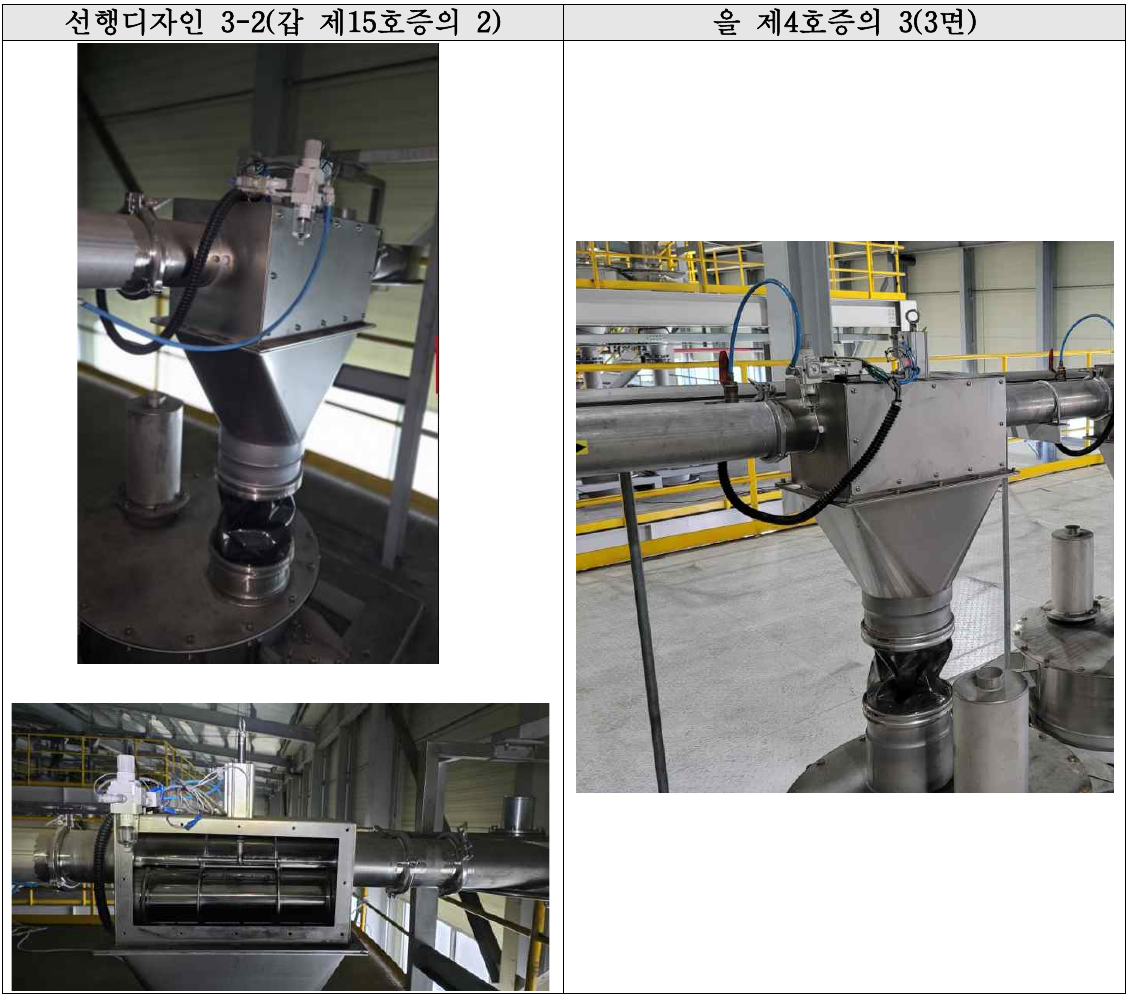
Incomplete drawings cannot simply be supplemented with later objects
A reference need not show every possible view. Ordinary experience may fill limited gaps where the forms affecting the overall visual impression remain identifiable. References 1-1, 1-2, 2 and 4 met that threshold. References 1-3 and 3-1 did not adequately disclose the arrangement and form of prominent features such as the support frame, opening plate, cylinder rod and connecting rod.
Objects later manufactured by the challenger or obtained from a factory could not replace those missing features without a sufficient link to the pre-filing drawings or photographs relied on. The relevant comparison remained the particular earlier disclosure, not a separate object whose identity with it had not been established.
The arrangement of the whole device mattered
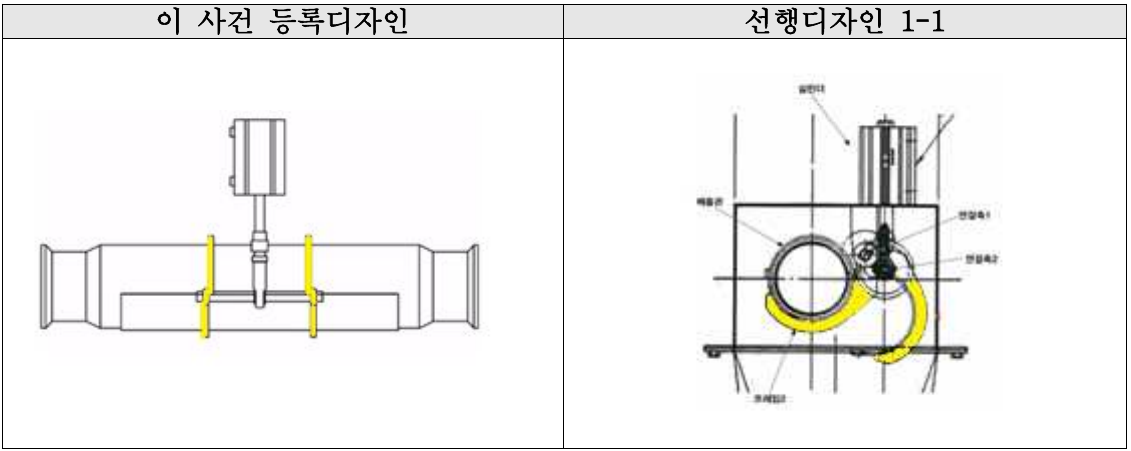
The registered design’s frame surrounded both the upper and lower parts of the discharge pipe. Its discharge pipe was wider than the delivery pipe, with long, slender cylinder and connecting rods aligned vertically. Drawing 1-1 instead showed a frame around the lower part, pipes of similar thickness and a short straight connecting shaft combined with a circular shaft.
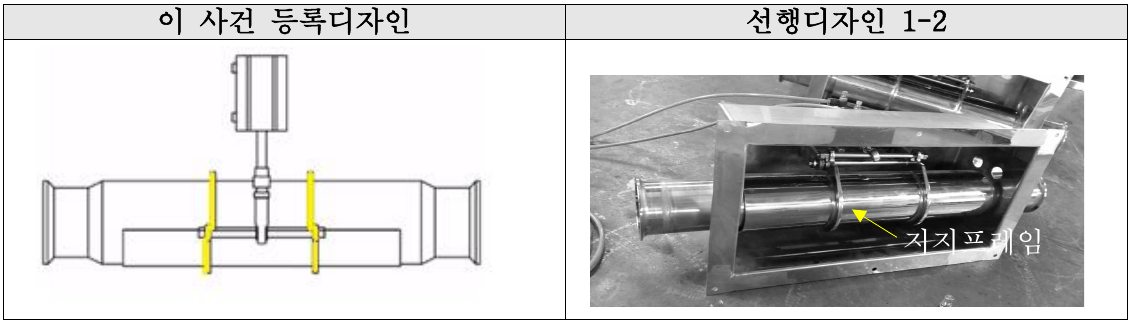
Photograph 1-2 was a separate reference, not another view automatically attributable to drawing 1-1. It also showed only a lower frame and little difference in pipe thickness; the photographs did not establish whether the opening plate covered only part of the discharge pipe, as in the registered design. The registered frame, proportions, plate and rods produced a stable, balanced overall impression. Shared cylindrical components and functions did not establish visual similarity.
The result and the evidence to retain
The court dismissed the annulment claims and upheld the refusal to invalidate the design. It also found references 1-3 and 3-1 dissimilar on the alternative assumption that their forms were sufficiently identifiable, and reference 3-2 dissimilar assuming it qualified as prior disclosure. Those alternative comparisons did not remove the separate defects in identification or dating.
For factory equipment, retain records connecting each photograph to the relevant delivery and machine version, including equipment numbers, delivery records and drawing revisions where available. Implement the actual subject matter and marking conditions of confidentiality agreements. Keep three questions distinct: when the material became accessible, whether access was restricted and what overall appearance the evidence establishes.
The original figure labels and forms are preserved; the text explains the source material.