

Patent assignments and other IP transfers frequently arise in technology transactions, startup investments and mergers and acquisitions.
However, the transfer of patent rights is not accomplished simply through a contract. It takes legal effect only after registration at the Korean Intellectual Property Office.
So today, we will learn about the transfer of patent rights, trademark rights, and design rights among the intangible intellectual property rights.
What is a transfer of rights?
‘Rights transfer’ literally means that a patent holder (assignor) transfers his or her rights to another person (assignee). Also called patent assignment. You can understand this as the process of changing the name of the patentee registered at the Korean Intellectual Property Office to the name of the assignee.
Classification of rights transfer
- Transfer of the entire right: When all rights are transferred
- Transfer of all shares: When all of the shares held by some of the multiple holders are transferred
- Partial transfer: When some of the rights are transferred
- Transfer of part of a co-owner’s interest:Partial transfer: When transferring part of the shares held by some of the multiple rights holders
- Divisional transfer: ①Trademark rights may be transferred in installments for each designated good (however, similar designated goods must be transferred together) ②Multiple designs may be transferred separately for each design right (however, divisional transfer applies only to multiple designs filed before 2014.6.30/Multiple designs filed after 2014.7.1 are assigned a registration number to each design, so it is not a divisional transfer but a rights transfer)
※ In this post, we will explain based on the most common complete transfer.
Transfer of patent rights
- Representative cases where transfer of rights is necessary in patent rights
- Transfer of patents to the company when starting a business → When patent rights held by a founder are transferred to the name of an established corporation and secured as technological assets of the company
- Transfer of technology assets during M&A process → In the process of corporate mergers and acquisitions, the ownership of technological assets such as patent rights is resolved and necessary rights transfer procedures are carried out.
- Signed a technology transfer agreement → When entering into a contract to transfer the patent rights held to another company and registering the transfer of the patent rights
- Precautions when transferring patent rights
When transferring patent rights, you must check the register. Through the registration ledger, you can check the current rights relationship, such as whether the transferor is currently registered as the patent holder, whether the patent right exists, and the status of annual registration fee payment.
In addition, if a co-ownership, license, pledge, etc. is established in the patent right, the consent of a third party or co-owner may be required depending on the type of rights transfer, so the transfer procedure must be carried out after carefully checking the registration details of the relevant right through the register.
- Patent rights transfer procedure
1) Conclusion of transfer agreement and preparation of documents
The transferor and transferee agree on the transfer of the patent rights and enter into a transfer agreement. Afterwards, we prepare related documents such as transfer certificate required for registration of transfer of rights. The contract can contain information such as the patent number, name of the invention, transfer price, information on the transferor and transferee, date of contract, and signature/seal.
2) Application for registration of transfer of rights to the Korean Intellectual Property Office
After concluding a transfer agreement, the transferor and transferee prepare the documents necessary for registration of transfer of rights and apply for registration of transfer of rights to the Korean Intellectual Property Office. Since the transfer of patent rights by transfer becomes effective only after registration of the transfer, the process is not completed simply by signing a contract.
3) Rights transfer registration completed
Once the rights transfer registration is completed after review by the Korean Intellectual Property Office, the transferee is registered as the new right holder in the register. In the case of transfer of patent rights by transfer, the transfer of patent rights takes effect on the transferee upon completion of transfer registration.
- Required documents when transferring patent rights
1) Rights transfer registration application form
- Enter the assignor’s details, the assignee’s details and the patent registration number accurately.
- When registering the transfer of rights through an agent, the agent can act on behalf of the application. If the application is made by an agent, documents proving that he or she is the agent of the registered right holder must be submitted.
2) Documents proving the cause of registration, such as a transfer deed
- The clear identity of the transferor/transferee (name, address, patent customer number, etc.) must be stated.
- Information on the transferor and transferee must be accurately entered in the transfer deed, etc., and the object of rights transfer and details of the transfer must be clearly indicated.
3) Transferor’s seal certificate
- You must submit one of the transferor's seal certificate, personal signature confirmation, or electronic signature confirmation, and it must be issued within 6 months from the application submission date.
4) Consent form
- If consent is required due to co-ownership, etc., the corresponding consent form must be submitted. Required documents such as consent forms and seal certificates may vary depending on the type of consenter and the reason for the transfer, so confirmation is required.
- Patent rights transfer costs
Patent assignments may incur professional fees, official recordal fees, local registration and license tax, and, where applicable, stamp duty. Professional fees are paid to the firm or representative; the remaining charges are official fees and taxes.
1) Agent fee
Professional fees vary by firm and scope of work.
2) Government fee (per case)
- Rights transfer registration fee: 40,000 won
- Local taxes such as registration and license tax: 21,600 won (registration and license tax 18,000 won/local education tax 3,600 won)
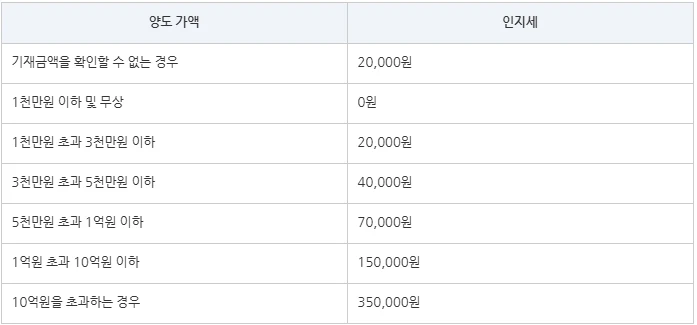
- Stamp duty: Varies depending on the amount stated in tax documents such as transfer agreements.
Transfer of trademark rights
- Representative cases in which trademark rights transfer is required
Trademark rights transfer is not a simple change of name but a legal procedure for transferring brand assets.
This is especially common in the following situations:
1) When transferring trademark rights in an individual’s name to a corporation
There are cases where a business that holds trademark rights in the name of an individual transfers the trademark rights to the name of the corporation after establishing a corporation. In this case, the owner of the trademark right can be changed from an individual to a corporation through reasons such as transfer.
2) When transferring the brand business itself
When transferring a brand-centered business such as an online shopping mall, cosmetics brand, or food brand, there are cases where the trademark rights used in the business are also transferred. At this time, if the ownership of the trademark is transferred separately from the business transfer, the rights transfer registration procedure must be completed.
3) When the shopping mall operator changes
There are cases where the trademark rights holder and the business operator are different, such as when an individual holds the trademark rights but the actual business is run by a corporation. In this way, if the owner of the trademark rights and the actual business operator change, the attribution of the trademark rights can be reviewed according to the business relationship and, if necessary, rights transfer procedures can be carried out.
4) When organizing co-branding rights
There are cases where several people jointly own trademark rights and then transfer the trademark rights to a specific right holder when the business relationship changes or shares are liquidated. In this case, the rights relationship can be resolved by transferring all or part of the shares, and depending on the type of transfer, the consent of the co-owner may be required.
5) When rights are inherited due to a merger or division of an investment company, etc.
If trademark rights are transferred to another corporation due to a corporate merger or division, a rights transfer registration procedure may also be required. In particular, in the case of a corporate merger, the effect of transferring trademark rights is effected by registration of the merger, but registration of transfer of rights is necessary to protect against a third party.
- Precautions when transferring trademark rights
Trademark transfer is not simply ‘transferring a name’. Transferring trademark rights is a more involved legal issue than you might think, and even a small mistake can make the entire contract invalid.
In particular, the following items must be checked before and after signing the contract.
1) Check the rights status carefully.
Before signing a contract, it is important to check the current rights status of the trademark through the trademark registration register. If the period of existence expires or renewal registration is not made, the rights may be extinguished, and it must also be checked whether other rights such as pledge or exclusive licenses have been established. In particular, if an exclusive license has been set, it is recommended to check the scope of the setting before proceeding with the rights transfer.
2) Check if it is a ‘shared trademark’.
If the trademark rights you wish to transfer belong jointly to several people, you must confirm the co-ownership and each co-owner's share. In particular, when transferring co-ownership interests, the consent of other co-owners may be required depending on the type of transfer, so it is important to check the relevant requirements before signing the contract.
3) Write your transfer agreement clearly.
In the contract, it is recommended to clearly state the target of transfer, such as the target trademark's registration number, brand name, and designated good, and to specifically specify key contract terms, such as the transfer price and payment method and payment period. Additionally, if an exclusive license, non-exclusive license, pledge, etc. has already been established, it is recommended to check the rights relationship and post-transfer processing plan.
4) Don’t forget that the final step is ‘transfer registration’.
Just signing a transfer agreement and paying the price does not complete the trademark transfer process. Since the transfer of trademark rights by assignment becomes effective only after registration of the transfer, you must apply for registration of the transfer of rights to the Korean Intellectual Property Office after concluding the contract.
5) Check whether similar designated goods have been divided and transferred.
If multiple designated goods are registered under one trademark, only a portion of the designated goods can be divided and transferred. However, there are restrictions on the divisional transfer of trademark rights, so you must carefully check the designated goods subject to transfer to ensure that similar designated goods are not transferred separately to different rights holders.
6) Please check the separate transfer requirements for special trademark rights such as business emblems and collective marks.
Unlike general trademark rights, separate transfer requirements or procedures may apply to business mark rights or collective mark rights depending on the nature of the rights. Therefore, you must first check whether the trademark subject to transfer is a general trademark or a special type of trademark such as a business emblem or collective emblem, and then review the relevant regulations.
- Trademark rights transfer procedure
Trademark rights transfer generally proceeds through the following procedures.
1) Conclusion of transfer agreement and preparation of related documents
The transferor and transferee agree to transfer the trademark rights and enter into a transfer agreement. It is recommended that the contract clearly state the registration number of the trademark to be transferred, designated good, scope of transfer, transfer price, party information, and contract terms.
In particular, it is necessary to specifically check whether the entire trademark right, some designated goods or co-ownership interests are transferred.
2) Application for registration of transfer of rights
After concluding the transfer agreement, prepare the necessary documents and apply for registration of transfer of rights to the Korean Intellectual Property Office. If submitted documents are missing or require supplementation during the application process, corrections may be requested from the Korean Intellectual Property Office. Since the transfer of trademark rights by assignment becomes effective only after registration of the transfer, the rights transfer process is not completed simply by signing a contract.
3) Rights transfer registration completed
Once the transfer of rights is completed through the registration process of the Korean Intellectual Property Office, the transferee is registered as the new trademark owner in the register. The transfer of trademark rights by assignment takes effect upon completion of transfer registration.
- Required documents when transferring trademark rights
In the case of transfer of trademark rights through general transfer, the following documents are required.
- Rights transfer registration application form
- Transfer agreement or transfer certificate
- Identity verification documents such as the transferor’s seal certificate (issued within 6 months from the date of application submission)
- If the consent of the co-owner is required, related documents such as a consent form
- Trademark rights transfer costs
1) Professional fees: Amounts vary by firm and scope of work.
2) Government fee (per case)
- Rights transfer registration fee: KRW 40,000
- Local taxes such as registration and license tax: 21,600 won (registration and license tax 18,000 won/local education tax 3,600 won)
- Stamp duty: May vary depending on the amount stated in tax documents such as transfer agreements
Transfer of design rights
- Typical cases where transfer of design rights is necessary
Transfer of design rights is particularly frequent in the following situations.
1) When transferring a product business or design-related business
When transferring the business of products where design is important, such as household goods, home appliances, and cosmetic packages, there are cases where the design rights for the products are also transferred. In this case, separate from the business transfer, you must check the rights relationship of the design right and proceed with the necessary rights transfer registration procedures.
2) When the attribution of design rights is organized due to changes in manufacturing/production structure
As manufacturing and production structures such as OEM and ODM change, there are times when the ownership of design rights needs to be resolved. In particular, in cases where the actual manufacturer/seller of the product and the design rights holder are different, the contractual relationship and design rights ownership relationship can be confirmed and, if necessary, rights transfer procedures can be carried out.
3) When transferring design rights in an individual’s name to a corporation
There are cases where a business that holds design rights in the name of an individual establishes a corporation and then transfers the design rights to the name of the corporation. In this case, registration of transfer of design rights may be carried out depending on the appropriate reason for registration, such as transfer.
4) In case of liquidation of shares of jointly held design rights
There are cases where multiple people hold the design rights to a jointly developed product, but the rights are transferred to a specific right holder when the business relationship changes or shares are liquidated. In this case, when design rights are shared, the co-ownership and each right holder's share can be confirmed, and if necessary, the rights relationship can be resolved through a rights transfer procedure.
5) When design rights are inherited due to a merger or division of a corporation, etc.
Even when design rights are transferred to another corporation due to a merger or division of a corporation, the necessary registration procedures must be completed in accordance with the rights relationship.
- Precautions when transferring design rights
When transferring design rights, it is important to thoroughly review the following matters in advance.
1) Check the scope of the registered design
Since the scope of design rights is determined based on the registered design, it is important to accurately confirm the design subject to transfer through the register and registered drawings before transferring the rights.
In particular, it is a good idea to check whether the design is a full design, a partial design, or a design for a set of articles, and check whether the scope of the registered design matches the actual rights to be transferred.
2) Accurately check the design and product to be transferred
Design rights are protected based on the registered design and its target product, so if you own multiple design rights or use design rights for multiple products in one business, you must clearly confirm which design right will be transferred.
In particular, when transferring only part of several design rights or only the design rights for a specific product, it is important to accurately specify the design registration number and product.
3) Check the relationship between the actual business entity and the design rights holder.
Before transferring design rights, it is recommended to check the actual business relationship and the design rights attribution relationship, such as whether the actual manufacturer/seller of the product and the design rights holder are the same or jointly hold the design rights.
For example,
- When the brand operator and design rights holder are different
- When the manufacturer and design rights holder are different
- When multiple people hold design rights during the joint development process
It is necessary to review the contractual relationship and the attribution of design rights together.
4) Check whether design rights transfer registration has been completed.
Just signing a transfer agreement does not complete the design rights transfer process. Since the transfer of design rights by transfer becomes effective only after registration of the transfer, you must apply for registration of transfer of rights to the Korean Intellectual Property Office after concluding the contract and check whether the registration has been completed.
- Design rights transfer procedure
Transfer of design rights is generally carried out in the following order: signing a transfer agreement → applying for rights transfer registration → completing rights transfer registration.
1) Conclusion of transfer agreement and preparation of related documents
The transferor and transferee agree on the transfer of design rights and enter into a transfer contract.
It is generally a good idea to clearly state the following in your contract:
It is important to clearly state the design registration number and the scope of transfer of the target product, transfer price, information on the transferor and transferee, and other contractual conditions. In particular, it is important to clearly state whether it is a partial share transfer or a full rights transfer.
2) Application for registration of transfer of rights
After concluding the transfer agreement, prepare the necessary documents and apply for registration of transfer of rights to the Korean Intellectual Property Office.
If submitted documents are missing or require supplementation during the application process, corrections may be requested from the Korean Intellectual Property Office. In addition, since the transfer of design rights by transfer becomes effective only after registration of the transfer, the rights transfer process is not completed simply by signing a contract.
3) Rights transfer registration completed
Once the transfer of rights is completed through the registration process of the Korean Intellectual Property Office, the transferee is registered as the new design right holder in the register. The transfer of design rights by transfer takes effect when the transfer registration is completed.
- Required documents when transferring design rights
In the case of transfer of design rights through general transfer, the following documents are required.
- Rights transfer registration application form
- Documents proving the cause of registration, such as a transfer deed or transfer agreement
- One of the transferor's seal certificate, confirmation of personal signature, or electronic signature confirmation (document issued within 6 months from the date of application submission)
- If the consent of the co-owner is required, related documents such as a consent form
- Design rights transfer costs
1) Professional fees: Amounts vary by firm and scope of work.
2) Government fee (per case):
- Rights transfer registration fee: KRW 40,000
- Local taxes such as registration and license tax: 21,600 won (registration and license tax 18,000 won/local education tax 3,600 won)
- Stamp duty: May vary depending on the amount stated in tax documents such as transfer agreements
This article reflects the information available when it was published. Contact us to discuss your circumstances.