

Hello, this is IPLEX IP Law Firm.
Product designs can be copied quickly. Subtle differences in shape and pattern also make legal assessments of similarity challenging.
In this case, registration of a variant design similar to the basic design as a related design can effectively prevent the imitation or infringement of competitors.
This time, we'll look at the related design system.
What is a related design?
The ‘Related Design’ scheme is designed to expand the scope of protection of the design by registering variations similar to the basic design (first registered or filed design).
For example, if you apply for the design of a particular item, and register a variant design that is different in color or in some form with the relevant design, you can prevent others from even slightly altering it.
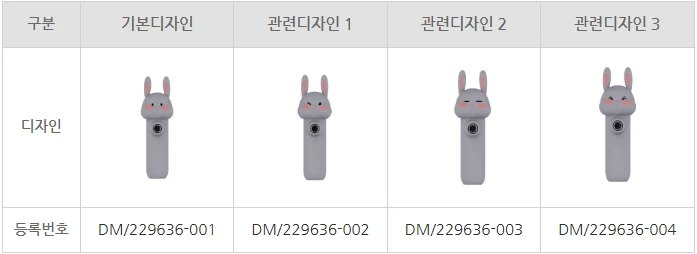
Since the basic design was created, various variations of the design tend to be created continuously. Design right covers the protection of not only the same design, but also the ‘similar design’, but the standard of this ‘similarity’ is abstract and subjective. In fact, when someone makes some changes to a registered design and sells a product, it is often difficult to determine whether it is legally a copy.
In this situation, it is effective to register a design that changes color, shape, etc. based on the basic design as a ‘related design’. By registering a related design, you can obtain a wider range of similarity in advance, so that you can more reliably respond to imitation products.
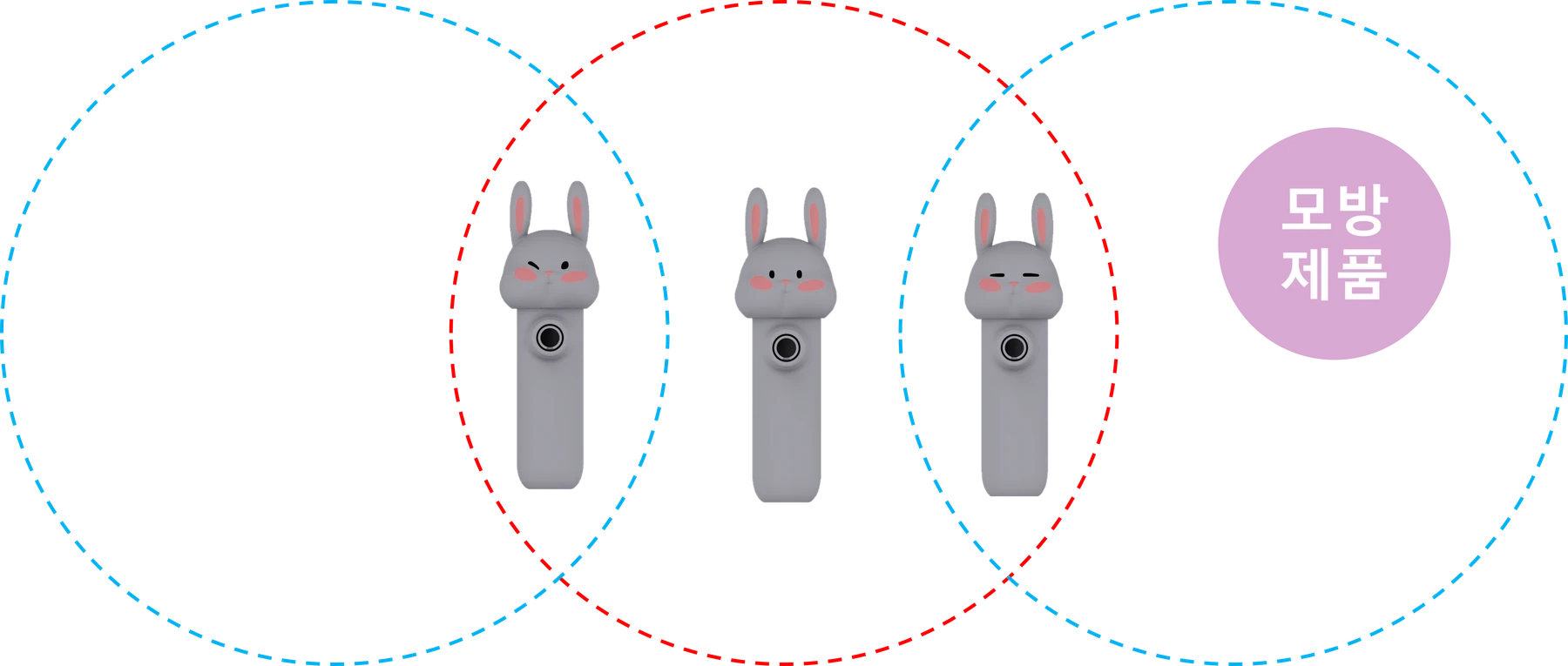
For example, in the diagram below, the similar scope of the basic design is indicated by a red dotted line, so that it cannot respond to imitation products outside the scope of the rights, but it can respond to imitation products by extending the scope of the rights to the blue dotted line using the relevant design.
Related Design Requirements
To register a related design, you must meet the following requirements:
1. A principal design must already be filed or registered.
The relevant design is based on the existing basic design and must be filed on or after the same day as the basic design.
If the rights of the basic design are lost, the relevant design can be corrected as a "single design".
2. The applicant (or rightholder) must be the same.
The applicant for basic design and related design must be the same, and if the basic design is registered, the applicant for related design must be the same.
3. It has to be a basic design and a "similar design".
The relevant design can only be registered if it is similar to the basic design, and it must not be similar to the existing design of others (notice/registration/application, etc.).
4. You must apply within three years of the basic design filing date.
An amendment effective on 21 December 2023 extended the related-design filing period from one year to three years from the principal design's filing date.
5. A design similar only to another related design does not qualify.
There is only a similarity between the related designs, and a design that is not similar to the basic design cannot be registered. This is to prevent the unlimited expansion of rights and strictly apply basic requirements such as novelty and creation.
The system is particularly useful for products likely to undergo design variations.
For example, in the consumer electronics, household appliances, furniture, fashion, etc., it helps to avoid slight changes in form or color to make products similar.
Having a relevant design registration strategy before a product launches can protect your ideas one step ahead of your competitors and respond effectively to infringement disputes.
This article reflects the information available when it was published. Contact us to discuss your circumstances.