

The Korean Patent Court’s judgment of 12 January 2023 distinguishes stopping online advertising from resolving the underlying legal uncertainty. It annulled a procedural dismissal; it did not itself award damages or finally determine design infringement.
The hoodie and the procedural history
Design registration 1075330 concerned a hooded sweatshirt, filed on 4 September 2020 and registered on 11 September 2020. The defendant, engaged in online retail and overseas purchasing agency services, displayed and advertised the identified design for sale from around 14 February 2021. Advertising for sale and completed sales are different facts.
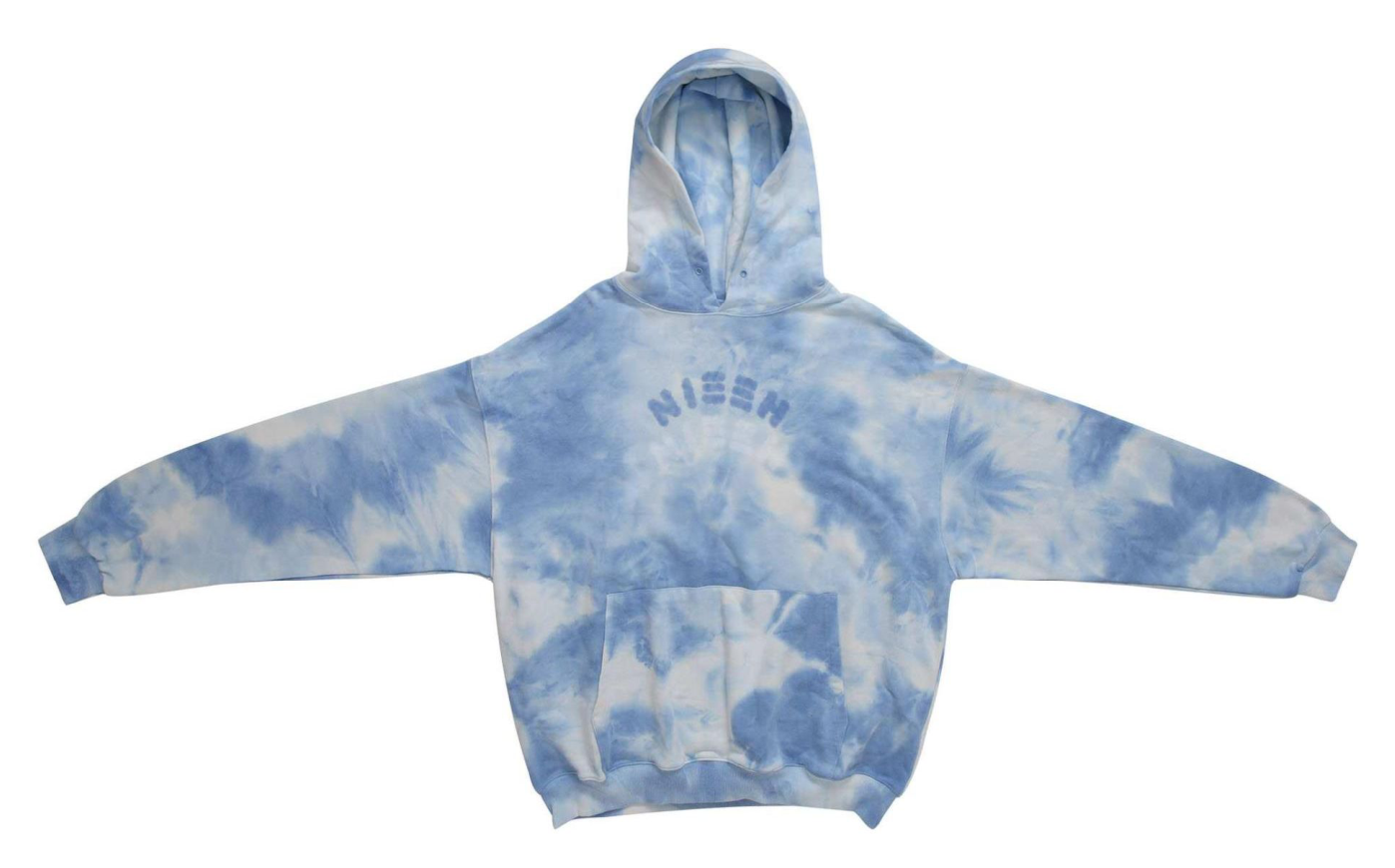
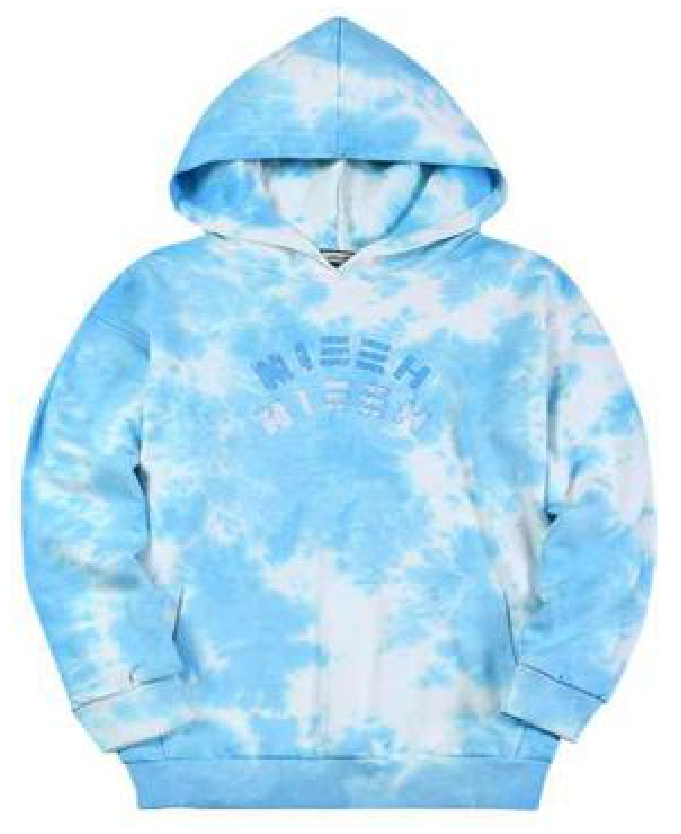
The owner sent a warning on 18 March 2021. The defendant received it and removed the advertisement on 19 March, but did not address the remaining demands or explain its position. On 9 November the owner requested an affirmative trial to confirm that the identified design fell within the registered scope. The Board dismissed it on 25 March 2022, case 2021Dang3323, for lack of a legal interest in confirmation.
Past use and a continuing dispute
The defendant said there had been no actual sales and that purchasing-agency software had posted products automatically without its knowledge. The court nevertheless treated display and advertising for sale as past exploitation of the design. That conclusion does not establish every element of damages liability for all automated listings.
Even if use had stopped by the Board decision, past use and an inability to rule out future resumption could leave a legal interest in confirmation. After removal, demands for compensation, an undertaking against future infringement and a public acknowledgement remained unresolved. An email of 31 March and the owner’s mediation request of 20 April 2021 did not resolve matters.
What the judgment did and did not decide
The defendant continued to deny exploitation in the trial. The court could not exclude future resumption on the overall facts; it did not find an actual plan to relist. After the owner filed suit on 16 May 2022, the defendant itself sought mediation on 15 June, unsuccessfully. It would therefore be inaccurate to say the defendant never engaged at any stage.
The court annulled the dismissal because confirmation remained legally useful. The warnings’ monetary and publication demands were not relief ordered in this judgment. Nor do the two design illustrations alone support adding a finding of similarity or infringement. Interest in obtaining a decision and the merits of the protected scope remain separate questions.
Practical records after a warning
Preserve the listing, dates of publication and removal, the purpose of the advertisement, correspondence and mediation history. Where software posts products automatically, records showing what appeared and how it was stopped help explain the facts. Removal alone does not invariably end a dispute, but a past listing does not invariably justify a trial either.
The judgment does not require accepting every demand or admitting infringement to end uncertainty. A party disputing liability should explain its position, cessation measures and the issues still outstanding. The particular combination of past use and unresolved disagreement drove this result.
The original figure labels and forms are preserved; the text explains the source material.