

On 23 January 2025, the Korean Patent Court annulled the refusal appeal decision concerning MU for online game services. A simple two-letter sign lacked inherent distinctiveness but had come to identify a commercial source through use.
The application and the two-stage analysis
Application 40-2021-243106 was filed on 30 November 2021 for Class 41 online game services. The examiner refused it, and the Intellectual Property Trial and Appeal Board upheld refusal on 27 June 2024 in case 2022Won1181. The court agreed that MU was a simple, common sign under Korean Trademark Act Article 33(1)(6): the unadorned capitals did not create a distinctive arrangement or new concept.
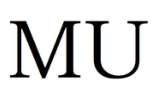
The separate question under Article 33(2) was whether consumers had learned to recognise MU as identifying the applicant. Duration and continuity of use, sales, advertising and business reputation had to be assessed together.
Which forms of use counted
Similarity alone was insufficient: the evidence had to concern the filed mark itself or a form treated as identical in trade. Minor changes in typeface, colour, slant and arrangement of MU did not alter identity here. Its Korean phonetic rendering was also regarded as the same source sign in the relevant market.
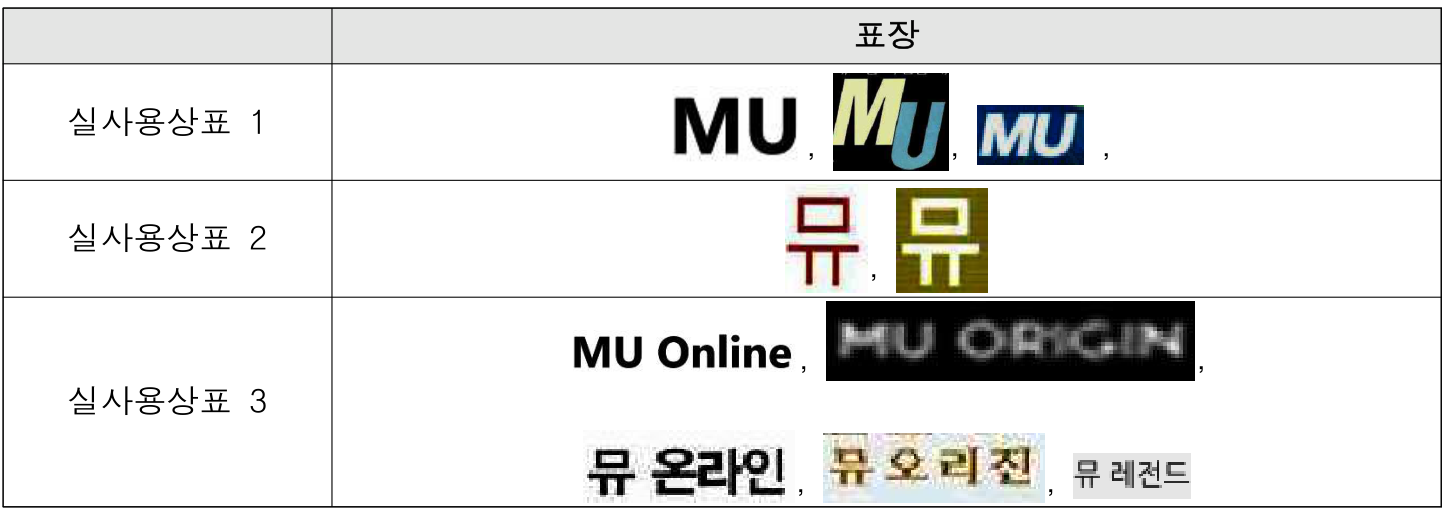
MU Online, MU ORIGIN and the corresponding Korean series names, including the Legend variant, did not form inseparable new concepts. MU remained independently recognisable beside commonplace service-related additions. This was a finding about these particular forms, not a general rule that every transliteration or added word preserves identity.
Twenty-three years of connected evidence
The open beta began on 24 May 2001 and the official launch followed on 19 November 2001. Continued updates and related games sharing a common setting sustained exposure. Reports of 200,000 members within the first month and 9,112,420 cumulative members by 15 December 2024 supported the scale of service use; the latter figure was a cumulative membership count, not a count of active users.
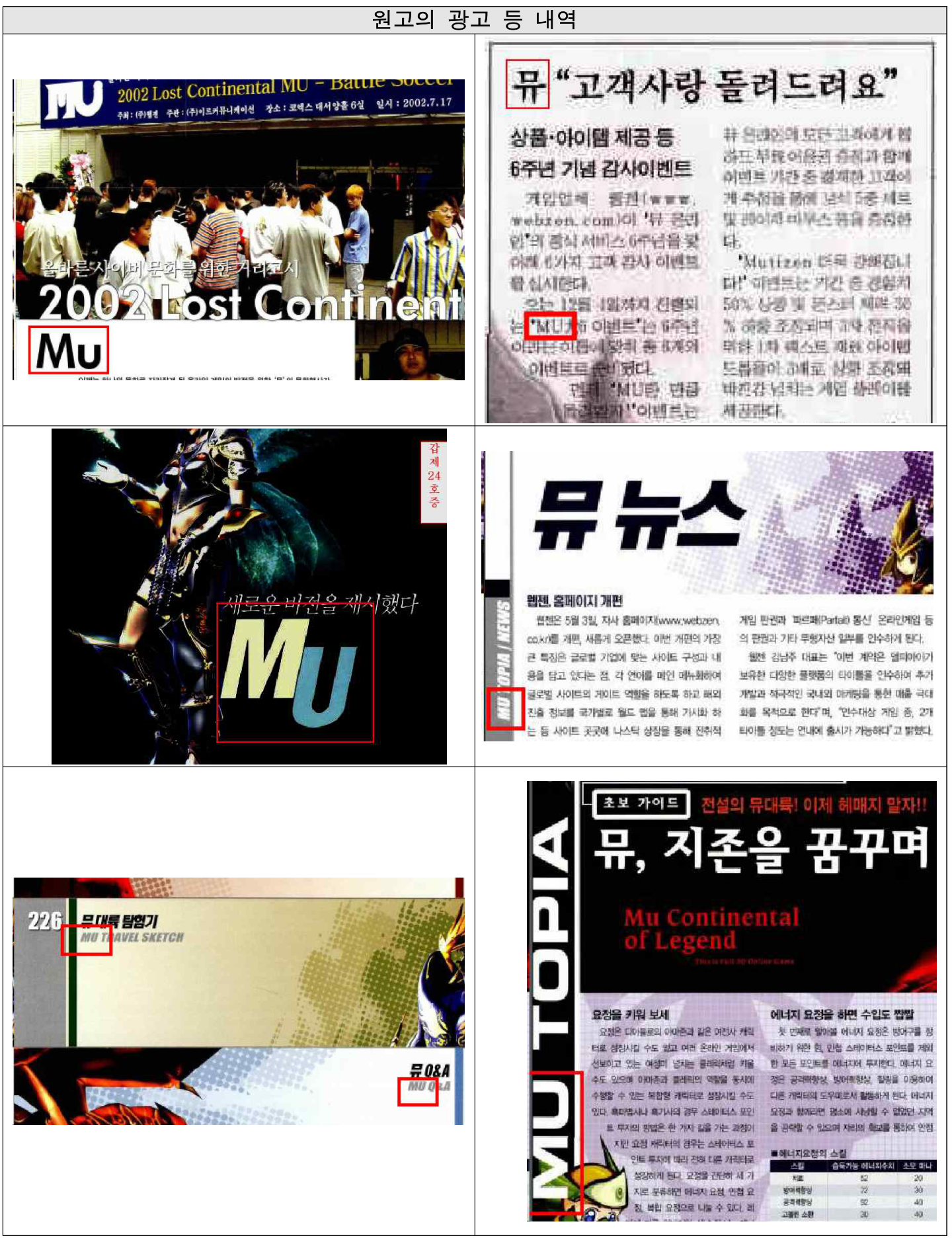
Revenue from the original game through the third quarter of 2024 was approximately KRW 377.6 billion; the total including related series was approximately KRW 1.3605 trillion. These overlapping figures must not be added. Advertising expenditure from 2010 through the third quarter of 2024 was about KRW 4.4 billion. Actual displays of the marks, awards, press coverage, portal posts and user reviews connected those figures to sustained recognition.
The relevant date and the limits of the ruling
Use had begun before the 30 November 2021 filing. In this refusal appeal, distinctiveness was assessed as at the Board decision of 27 June 2024. Later compiled figures were considered with the long history to assess recognition around that date; they should not be relabelled as totals already reached on the decision date.
The court annulled decision 2022Won1181 because MU had acquired distinctiveness for the specified online game services. It did not decide protection for every product or service. A useful evidence file connects each mark variant, period, service, revenue and advertisement, rather than relying on company-wide totals. The recognition of these variants remains fact-specific.
The original figure labels and forms are preserved; the text explains the source material.