
In case 2024Heo11422, decided on 22 May 2025, Korea’s Patent Court partly annulled a decision rejecting invalidity of a panda-face and FAT PANDA mark. The court distinguished restaurant-related services from accommodation and other services, and assessed alleged bad faith separately.
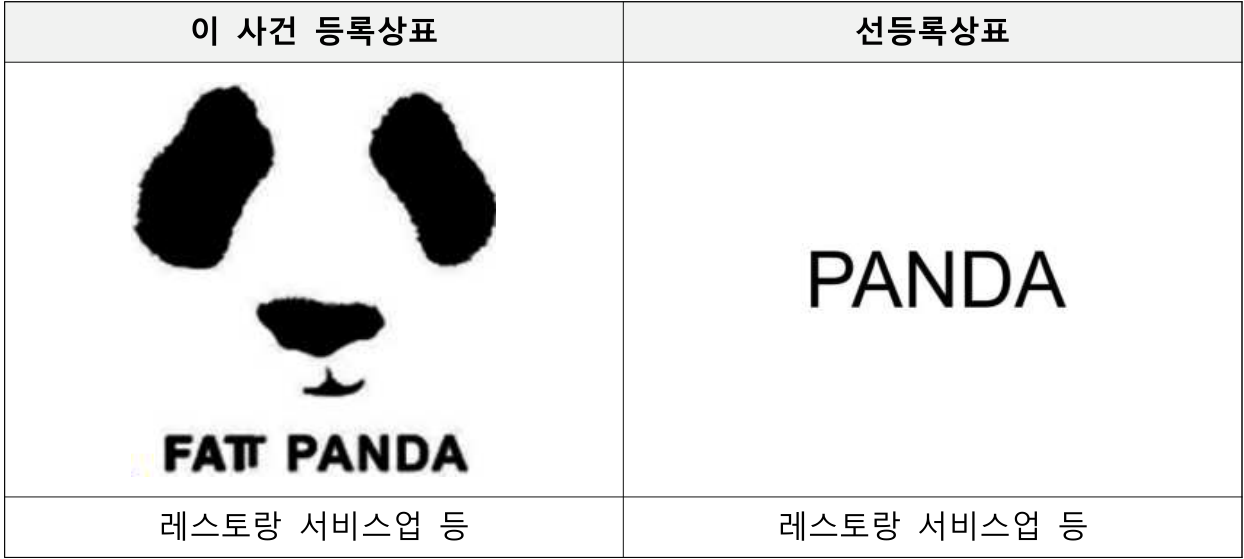
The registration and the earlier signs
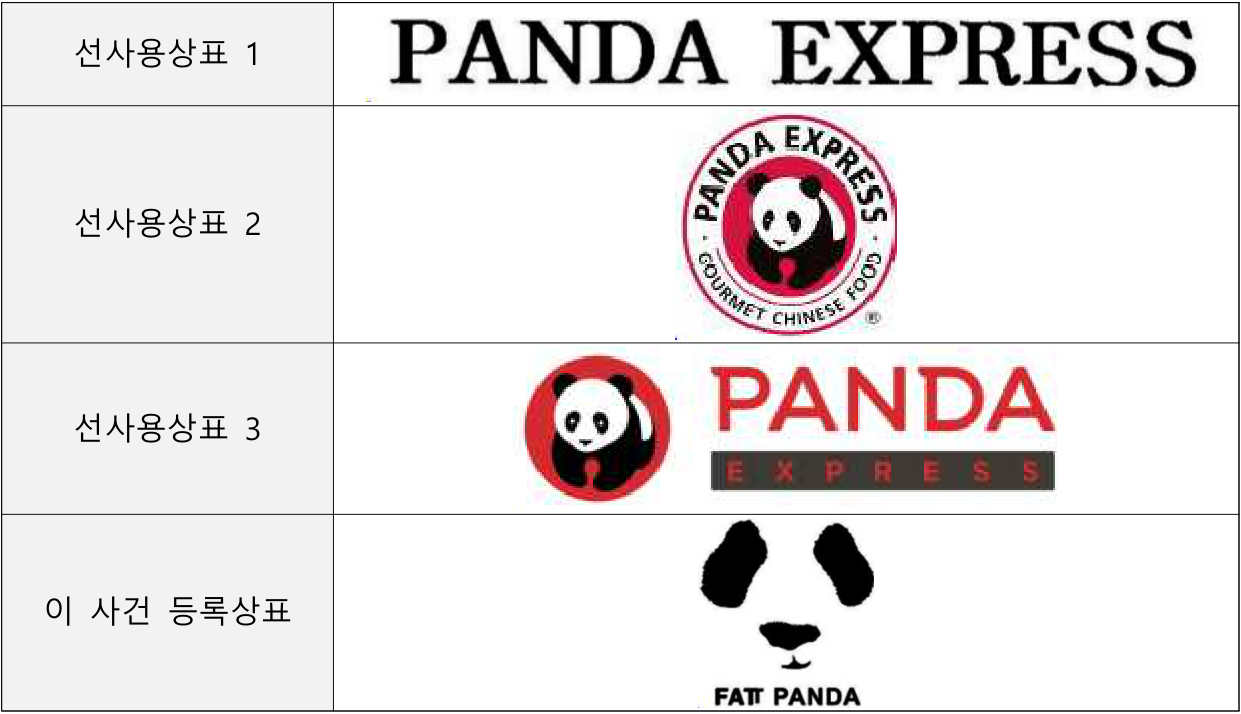
The disputed mark, No. 1913958, was filed on 30 December 2019 and registered on 26 September 2022. Earlier rights included PANDA and PANDA EXPRESS registrations, alongside prior use of PANDA EXPRESS and panda-logo composites. The tribunal rejected the invalidity claim on 5 March 2024 in case 2022Dang2792. The relevant application date for the reputation and intent analysis was 30 December 2019.
The distinctive PANDA element
For ordinary restaurant services, the panda image and PANDA wording could independently attract attention. The additional FAT wording, even if stylised, could be understood as describing the panda and did not create an inseparable whole. The shared pronunciation and concept with the earlier PANDA mark created a likelihood of confusion. The existence of other PANDA registrations alone did not establish that the element had lost its distinctiveness.
Which services were similar
The court found similarity for restaurant, café, snack-bar, self-service restaurant, coffee and juice-bar, bar, mobile-catering and tavern services. Rental of chairs, tables, table linen and glassware was also sufficiently connected through catering-related methods of provision, providers and customers. The comparison concerned actual market relationships; simply sharing class 43 was not the test.
Where the comparison stopped
Similarity was not established for hotel reservations, lodging information, boarding-house and referral services, hotels, camping facilities, meeting-room rental, animal boarding and motels. The earlier PANDA EXPRESS restaurant registration did not automatically extend protection across all those services. The annulment therefore covered only the services found similar, with the remainder of the challenge dismissed.
Reputation did not by itself prove bad faith
The prior PANDA EXPRESS marks were known in Korea and abroad: the US business began in 1983, expanded to Korea in 2014, and reported 2019 sales of about USD 3.78 billion and advertising expenditure of about USD 28.54 million. Yet the recognition attached to PANDA EXPRESS and its composites, not necessarily PANDA alone. A panda is a familiar Chinese animal; the Chinese proprietor had a plausible reason to adopt it, the designs and wording differed, and no negotiations between the parties supported an inference of appropriation. The separate bad-faith ground failed.
Keep the legal questions separate
A useful filing or dispute review should identify the dominant sign, compare each designated service and collect evidence relevant to intent at the filing date. This judgment does not prohibit every animal-based mark and does not establish bad faith merely from similarity or a famous opponent.
The original figure labels and forms are preserved; the text explains the source material.