

Hello, this is IPLEX IP Law Firm.
An inventive idea may prompt the question, "Could this be patented?" Complex documentation, examination time and cost can nevertheless make the process seem daunting.
However, there are ways to protect your idea, even if it is not a patent. It's a utility model.
This article explains utility models.
What is utility model?
Utility models can protect eligible technical creations involving the shape or structure of an article, offering a different route from an invention patent.
The Korean Patent Act defines an invention as a highly advanced creation of a technical idea using the laws of nature. The Utility Model Act defines a device as a creation of a technical idea using the laws of nature, without the same 'highly advanced' wording.
This is a principal distinction between patents and utility models.
Utility models and patents
Patents and utility models are similar in procedure and regulation, but there are differences in subject matter and requirements:
Subject matter protected
- Patent : Various forms of ‘invention’ such as goods, materials, and methods are protected.
- Utility models: Eligible devices relating to an article's shape, structure, or combination, such as household utensils or machine components.
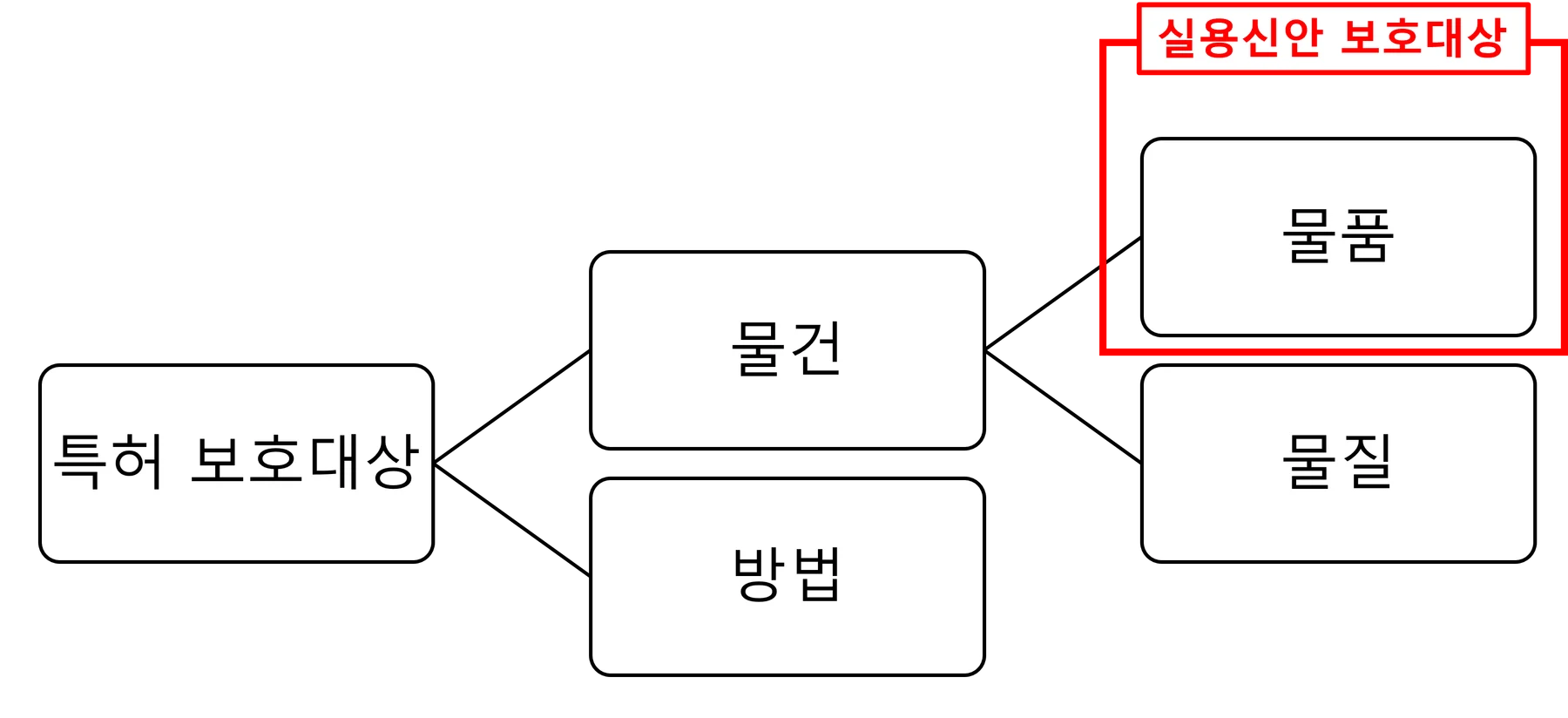
Duration of rights
- Patent: 20 years from date of application
- Utility model right: 10 years from application date
This is an institutional difference that reflects the short life of the product, which is easier to imitate than invention.
Requirement to submit drawings
- PATENT: Drawings may be omitted depending on the nature of the invention.
- Utility model: Drawing is required because the structure and shape of the goods are central.
Conversion of applications
An applicant may file a utility model application initially or, where the requirements are met, convert a patent application into a utility model application. Conversion between the two systems is subject to statutory conditions.
For an eligible article-based invention, conversion to a utility model may be considered where patentability is challenged, although utility model registration still requires examination and is not guaranteed.
Requirement
1. Applicants must be the same.
2. An eligible original application must exist.
3. The converted application must remain within the disclosure of the original specification and drawings.
4. You must apply for a change within three months of receiving a copy of the rejection decision.
Effects
1. Effective Date of Application: The application date is applied retroactively.
2. A valid conversion causes the original application to be deemed withdrawn.
For suitable product structures, utility model protection may be a practical option. Review the subject matter, requirements, and filing strategy before deciding whether to file or convert.
This article reflects the information available when it was published. Contact us to discuss your circumstances.