
A strong product alone does not ensure success abroad. International expansion requires attention to two key forms of preparation.
First, we must proactively protect intellectual property rights, including design, to prevent imitation and infringement. Second, we need to ensure that the necessary support for global expansion, such as marketing, translation, and overseas certification, is timely.
Missing either can leave a business exposed to imitation, conflicting overseas rights or barriers to market entry.
As of 2026, the government has encouraged the active use of the Hague Design International Application System and the Export Voucher System to address these issues. The combined use of the two schemes can effectively reduce the time and cost of securing overseas rights and entering the market.
The Hague Design System: Protect in Many Countries with One Application
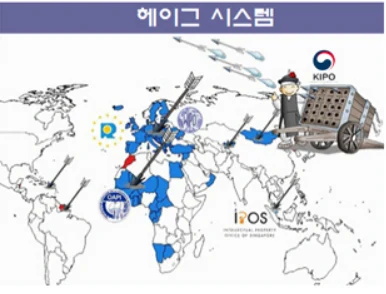
The Hague System, administered by WIPO, allows applicants to seek design protection in multiple member jurisdictions through one international application. An application may include up to 100 designs in the same Locarno class and may be filed in English, French or Spanish.
From August 1, 2025, the individual designated fees for the designation of Korea will be reduced by about 12%, and renewal fees will be reduced at the same rate. As a result, the cost of international design applications, including Korea, is further reduced.
International design registrations are renewed in five-year periods. The available term depends on each designated jurisdiction's law; for example, Korean design rights generally run for up to 20 years from filing. Applicable designation fees also depend on the jurisdiction and design category.
WIPO's International Bureau examines formalities and publishes the registration in the International Designs Bulletin. Designated offices may conduct substantive examination under their own laws. Applicants may respond to notified refusals through the applicable local procedures.
With a single application and renewal, design rights can be managed in multiple countries, making it particularly efficient for companies exporting to multiple countries and startups preparing for global expansion.
Export voucher system: Up to 70% government-backed export assistance
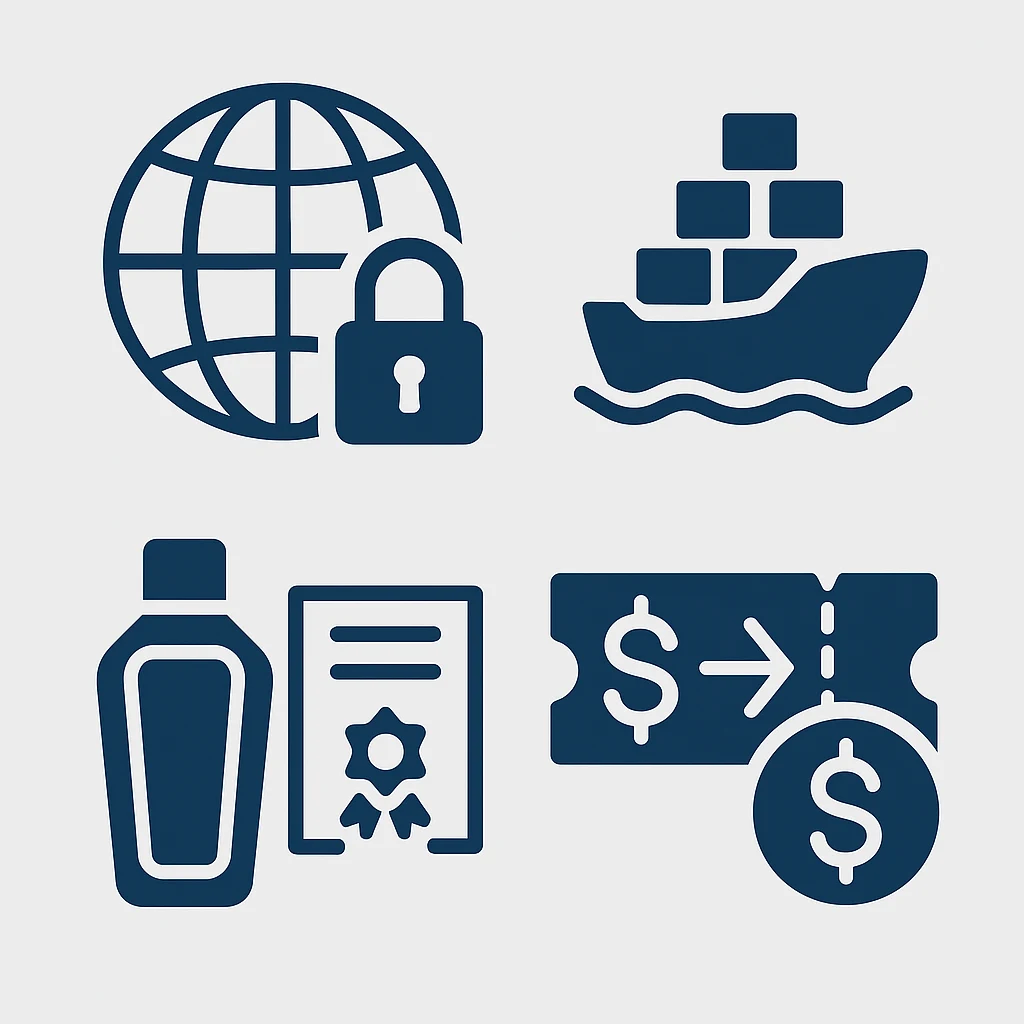
The export voucher program helps Korean small and medium-sized enterprises purchase export support services from providers they select. The 2025 program described in this article planned KRW 6.11 billion in support for approximately 1,300 companies, about 9% more than the previous year. It offered access to roughly 7,200 services, with government support covering 50–70% of eligible costs and the company paying the remainder. Services included translation and interpreting, overseas market research, global marketing, design consulting, certification and customs support. Funding and eligibility depend on the applicable program announcement.
There is also a fast-track system for small and medium-sized companies with no experience abroad, so they can get support relatively quickly within about a month of applying. In addition, there is a separate voucher program for digital technology-based companies such as AI and SaaS. By the beginning of 2025, 150 AI and SaaS start-ups are supported with up to 50 million won of tech export vouchers.
It is a flexible system that can be used in line with the growth stage of the company and the characteristics of the industry. It is a policy tool that can help from initial overseas expansion to full-scale global expansion.
The combination of the two systems: the perfect strategy to save money and time
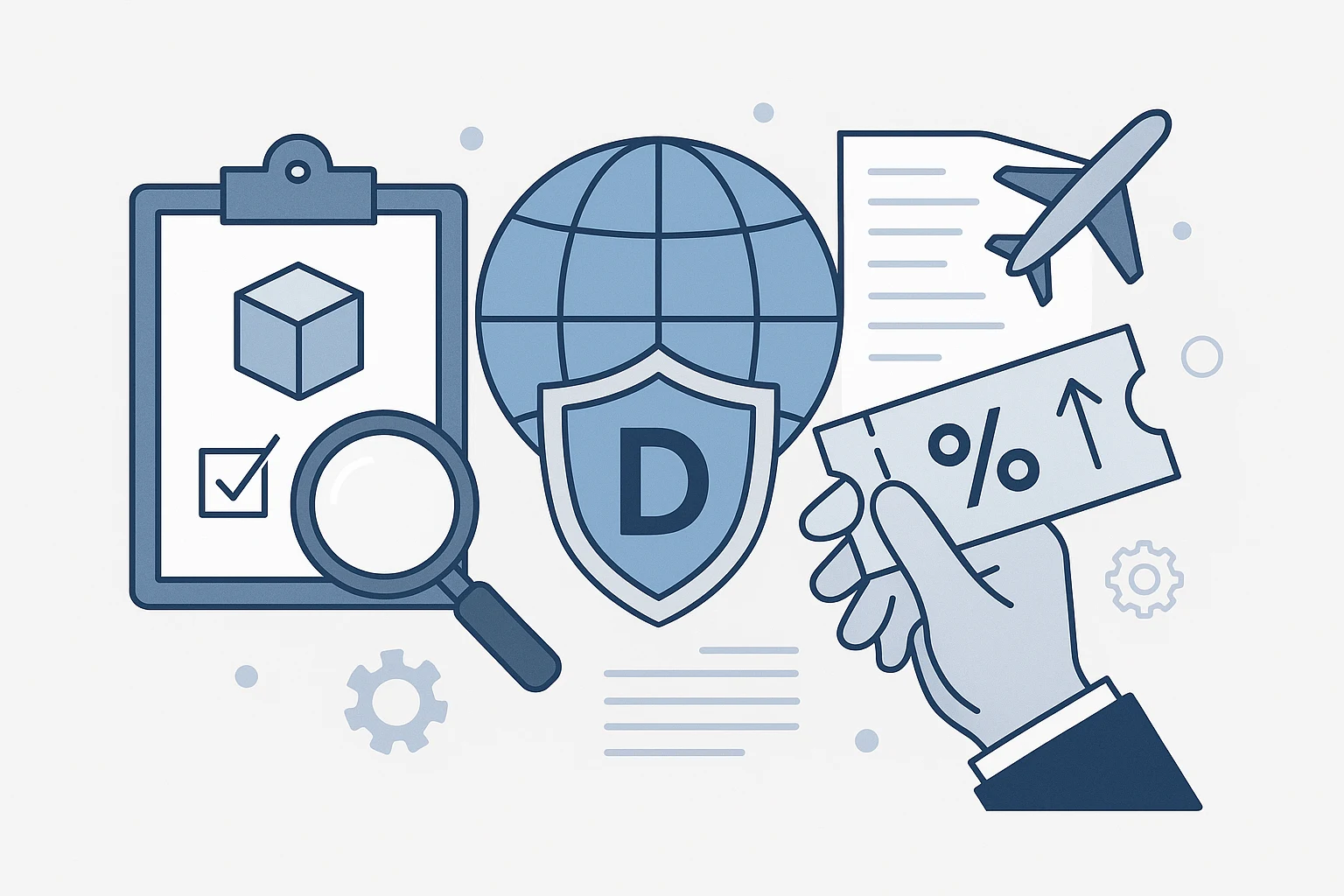
The combination of the Hague design system and the export voucher scheme can effectively reduce the costs and procedures required for international design applications. The main benefits of combining the two systems are as follows:
First, eligible voucher support can reduce filing, translation and professional review costs. A Hague application must include suitable reproductions of the designs and comply with applicable requirements. It may be filed in English, French or Spanish; additional designated-office requirements should be checked.
Second, the procedure can be carried out quickly. With the export voucher fasttrack scheme, you can quickly secure your budget by getting support results within about a month. As soon as the budget is secured, you will be able to start preparing for the Hague International Application, which will allow you to have a strategic schedule for international marketing or exhibition preparation during the screening period.
Third, coordinating design protection with overseas marketing can reduce infringement risks when exhibiting or selling online. Government support can also lower the initial financial burden of entering overseas markets.
The combined use of the Hague design system and export vouchers can be a practical solution for companies seeking to promote international design protection and global market entry.
This article reflects the information available when it was published. Contact us to discuss your circumstances.