
A patent assignment must be recorded to complete the transfer of the right. This guide explains the procedure, required documents and costs.
What is a patent assignment?
A patent is an intangible asset that may be assigned. An ordinary assignment of a Korean registered patent takes effect through registration with the IP office, using the required application and supporting documents.
An agreement and payment alone do not complete an ordinary assignment of a Korean registered design right. The transfer must be registered with the IP office.
Obtain an extract from the design register to confirm the current status of the right before proceeding.
<Types of Assignment>
Assignments may cover the entire patent, all of a co-owner's share, part of the right or part of a co-owner's share. Consent requirements depend on the transaction.
Category | Content | |
Assignment of the entire right | If you transfer all of your rights | A → B Patent assignor: A Patent assignee: B A·B → C Patent assignors: A and B Patent assignee: C A → B · C Patent assignor: A Patent assignees: B and C |
Assignment of a co-owner's entire share | When all of the shares held by some of the multiple holders are transferred (One or more co-owners change) | A·B → A·C [A's consent is required] Patent assignor: B Patent assignee: C A·B → A [Agreement not required] Patent assignor: B Patent assignee: A |
Partial assignment | When some of the rights are transferred | A → A·B Patent assignor: A Patent assignee: B A · B → A · B ·C Assignment of part of the jointly held right, rather than only A's or B's individual share Patent assignors: A and B Patent assignee: C |
Assignment of part of an ownership share | When transferring part of the shares held by some of the multiple rights holders | A · B → A · B ·C 1) If part of A's ownership share is assigned [B's agreement is required] Patent assignor: A Patent assignee: C 2) If part of B's ownership share is assigned [A's consent is required] Patent assignor: B Patent assignee: C |
Points to check before assigning a patent
Category | Content | Example |
1. Confirm the assignor is the current owner | Verify the registered owner's identity using the patent register. | 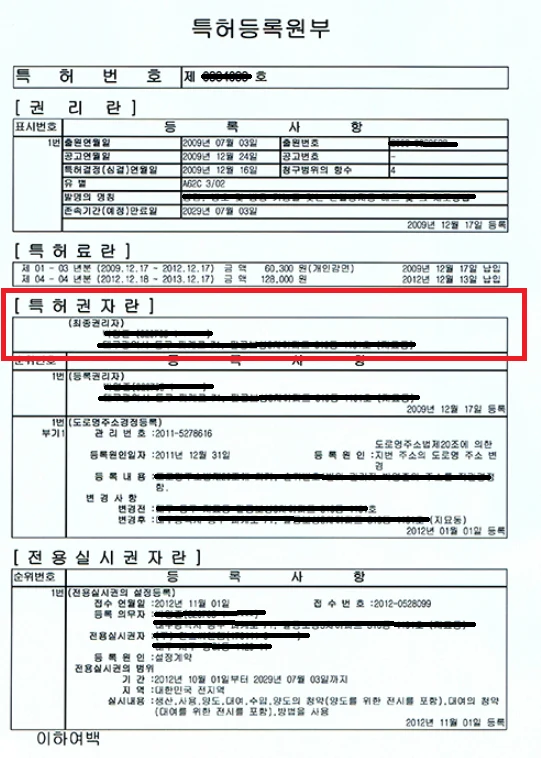 Example of a patent register: confirming the current owner |
2. Check the right's Current Status | The current status of the patent must be checked in advance to ensure that the rights have not been lost due to unpaid annual fees. The assignor should identify the patent's remaining term and annual-fee deadlines. The assignee should verify these details to avoid unintended lapse. | 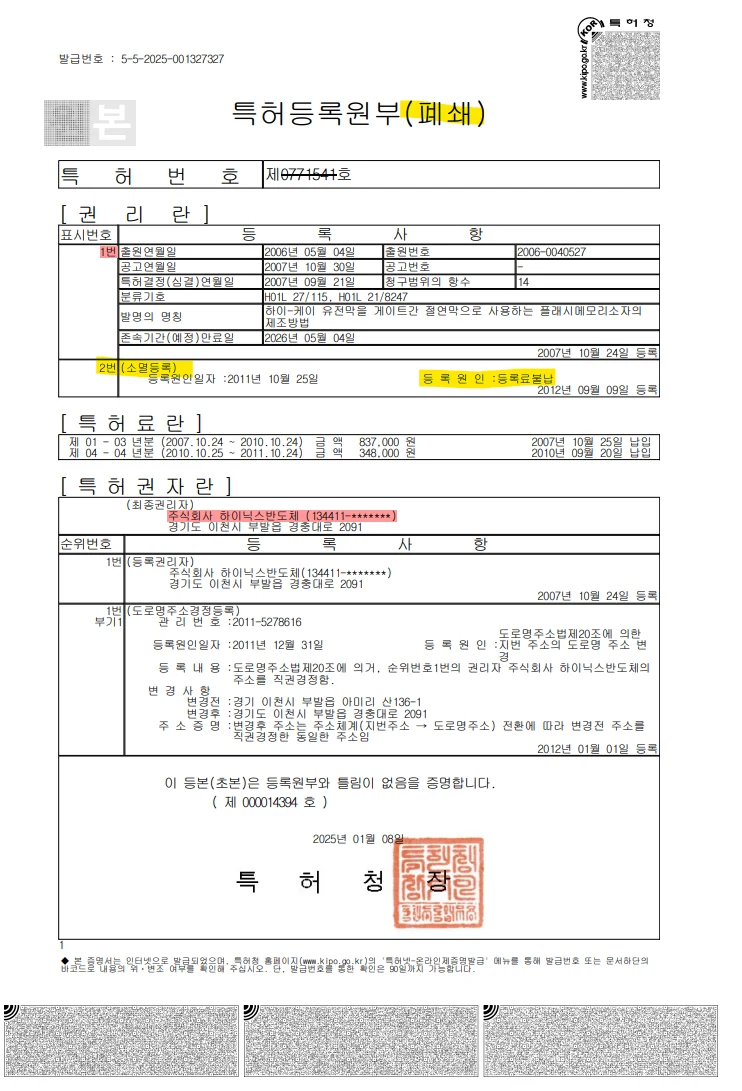 Case of unpaid annual fee through patent register |
3. Other encumbrances and issues | Check for pending disputes and existing licenses before proceeding. | 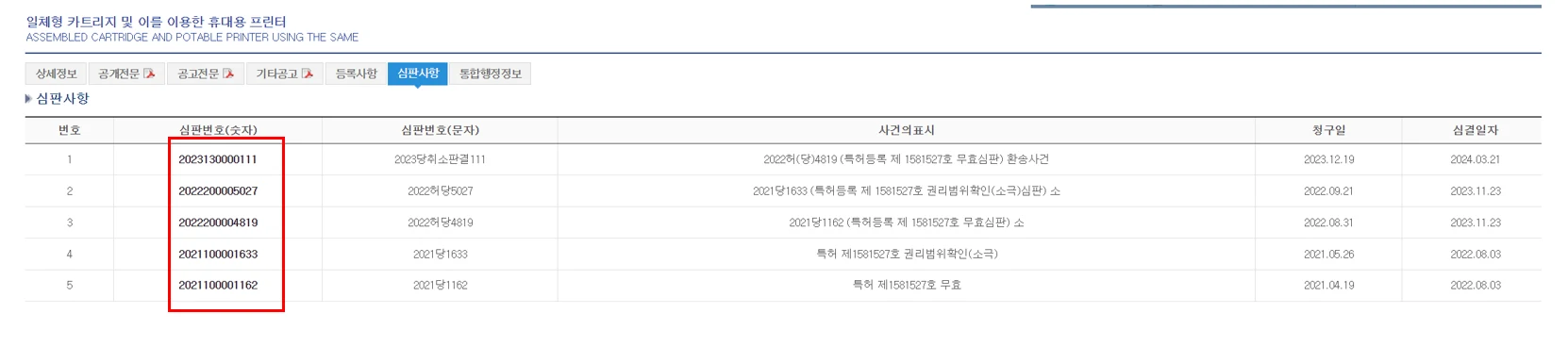 Dispute review example |
Patent Rights Transfer Procedures and Required Documents
1. Procedures
- Verify the assignor's right: ownership, legal status and annual-fee payments
- Review the agreement: assignment terms, price and required documents
- Prepare the assignment registration application and supporting certificates
- Submit the application form and pay the cost
2. Required Documents
Dispute review example | Content | Example |
| 1) Rights transfer registration application form |
| 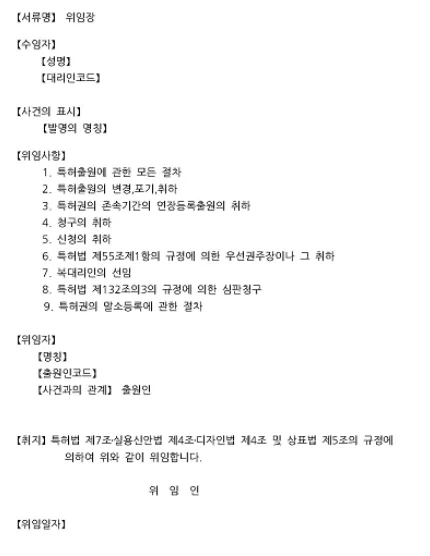 Power of attorney example Power of attorney example |
Documents proving the assignment |
| 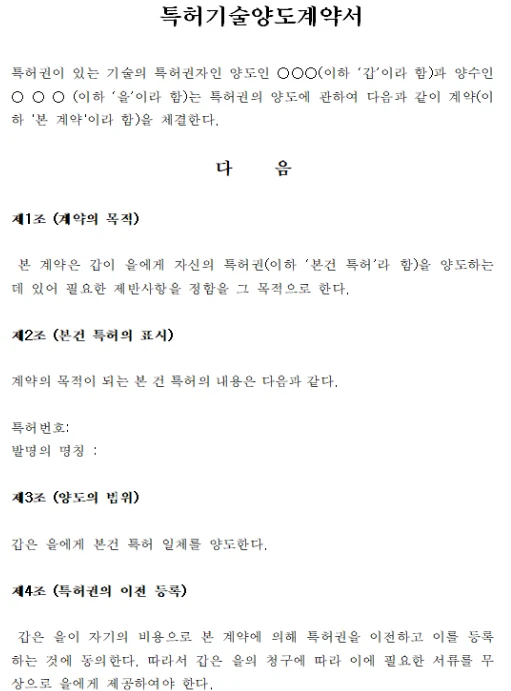 Patent technology transfer agreement example Patent technology transfer agreement example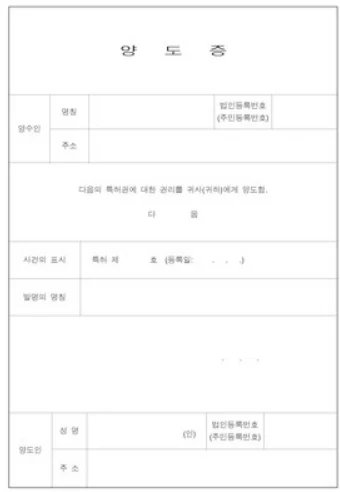 Example of a patent deed of assignment Example of a patent deed of assignment |
| 3) Assignor's seal certificate |
| |
| 4) Consent form |
| 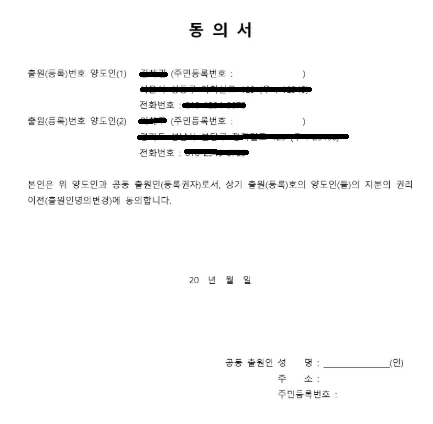 See also See also |
Costs of assigning a patent
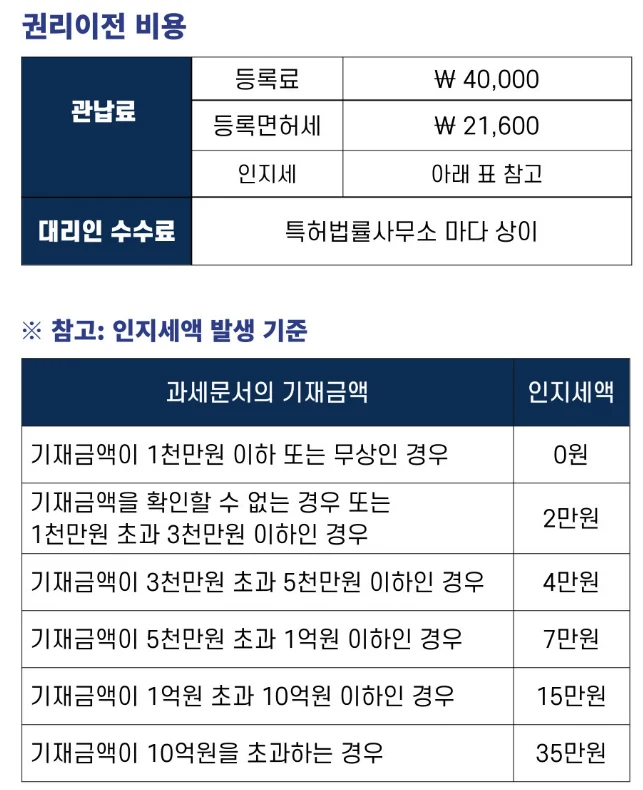
Patent assignment costs include professional fees and official fees. Professional fees vary by firm; IPLEX provides a clear quotation for the proposed work.
Official fees apply per right. Stamp duty depends on the taxable document and its stated amount. When several patents are transferred together, check the treatment of the combined documents and applications. See the illustration below for details.
IPLEX IP Law Firm


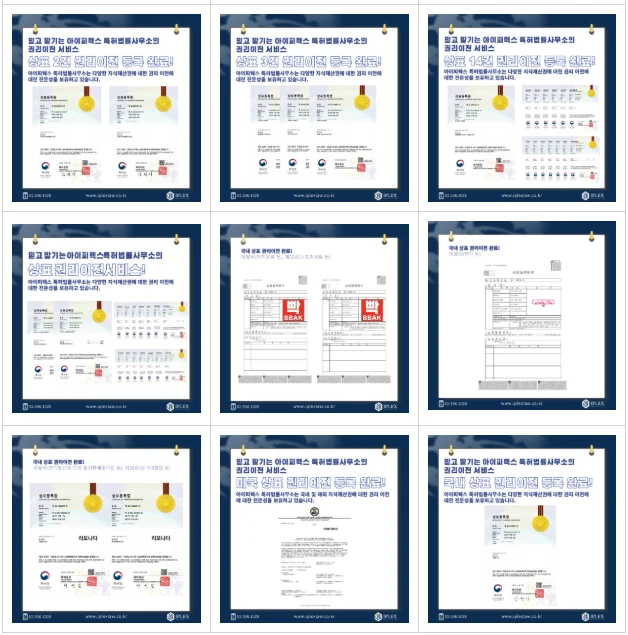
The value of intellectual property rights is increasing. The patent rights transfer can be of great benefit even if you care a little bit, but if the process is complicated and mishandled, it can double the time and cost. IPLEX IP Law Firm’s experience and expertise make it a safe and accurate transfer.
This article reflects the information available when it was published. Contact us to discuss your circumstances.