

Hello, this is IPLEX IP Law Firm.
Changes to Korea's Patent Act seek to protect applicants' rights and improve opportunities to obtain patents. The separate application procedure introduced in 2022 is one such measure. How does it differ from a divisional application?
This article explains separate patent applications.
What is a separate application?
A separate application may preserve eligible claims after an appeal against a refusal has been dismissed. It is subject to the specific requirements of Article 52-2 of the Korean Patent Act.
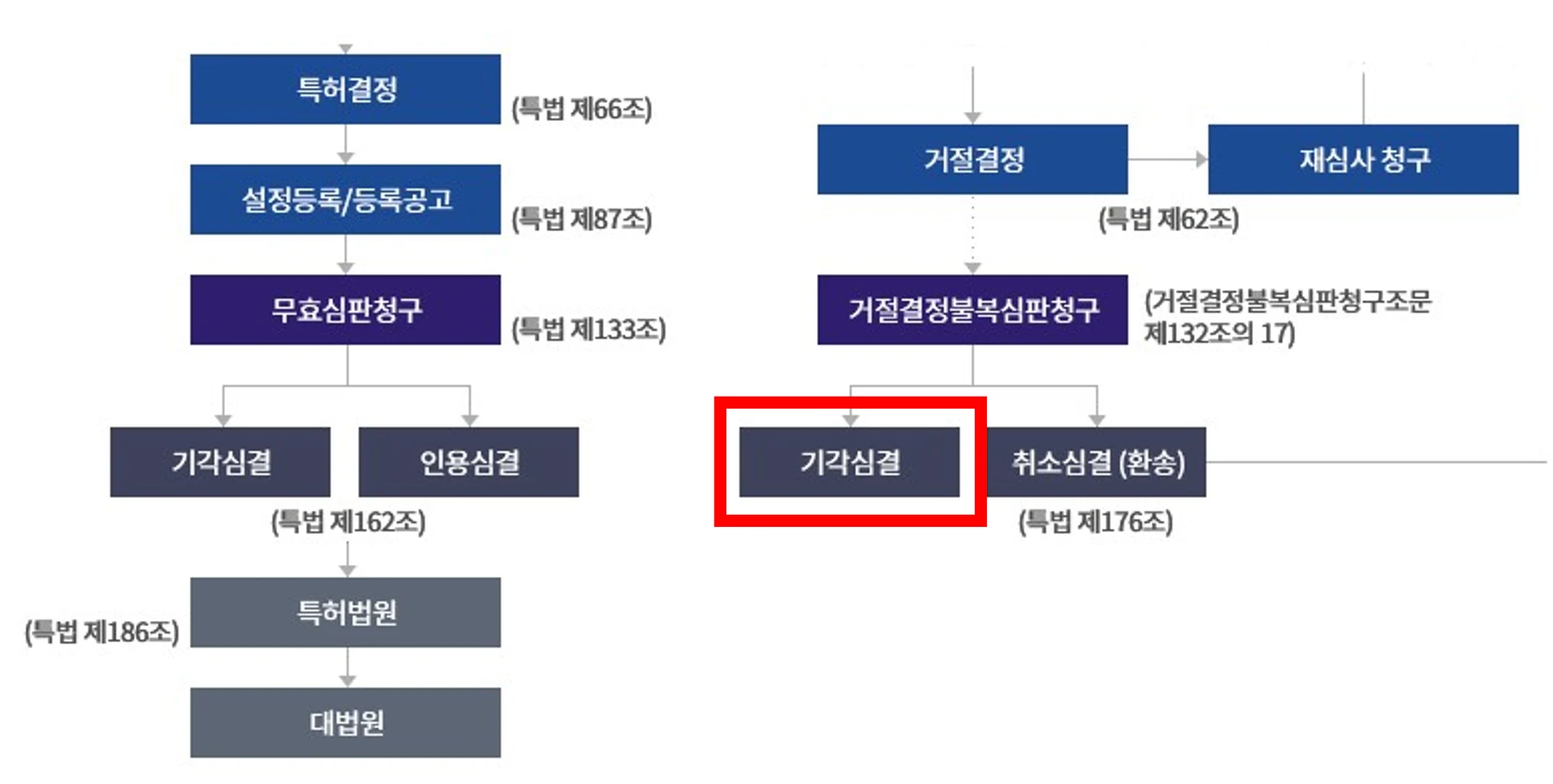
The procedure was introduced to preserve an opportunity to obtain protection for eligible subject matter even after the refusal is upheld on appeal.
Claims eligible for a separate application
1. Claims not rejected in the refusal decision
2. Claims from which alternative wording forming the basis of the refusal has been deleted
3. Claims obtained by narrowing the claims in item 1 or 2 within the limits permitted for a final amendment
4. Claims in items 1 to 3 from which matter extending beyond the original specification or drawings has been deleted
When may a separate application be filed?
- Generally within 30 days after service of the decision dismissing the appeal against refusal
Please note
- Applications filed with deferred submission of claims, and foreign-language applications, are not eligible as the basis for a separate application under this procedure.
- A separate application cannot itself serve as the basis for another separate, divisional, or converted application.
Separate applications and divisional applications
How do the two procedures differ?
Both procedures create a new application from subject matter in an existing application, but their permitted timing, eligible subject matter, and further procedural options differ.
| Category | Separate application — Patent Act Article 52-2 | Divisional application — Patent Act Article 52 |
| Application | Eligible claims not refused No added matter permitted | Part of the claims or disclosed subject matter No added matter permitted |
| Available timing | Within 30 days after service of the decision dismissing the refusal appeal | Within the statutory periods for amendment or division before registration, including the applicable period following a refusal decision |
| Original application | Deferred-claims and foreign-language applications excluded | Deferred-claims and foreign-language applications may qualify |
| Derived application | No further separate, divisional, or converted application, or request for re-examination | Ordinary statutory rules for further applications apply |
The principal difference is procedural timing. Divisional applications are available during specified periods in prosecution, whereas separate applications provide a limited opportunity to preserve eligible subject matter after an unsuccessful refusal appeal.
This article reflects the information available when it was published. Contact us to discuss your circumstances.