

The Korean Patent Court’s judgment of 28 March 2024 turns on legal status and dates, rather than a new comparison of two marks. Once cancellation for non-use became final, the earlier right was deemed extinguished from the cancellation-request date, affecting an intervening refusal appeal.
Two marks, two separate procedures
Application 40-2020-0175340 was filed on 5 October 2020 for a sign containing D-IN and the Korean wording for Dain Manpower. Its Class 37 services included sign repair, building construction, management and alteration, cleaning and interior renovation. Earlier registration 79432 combined a device with the Korean corporate name Dain and covered construction-related services, including building defect repair, houses and apartments. The owners were different companies; the defendant in this court action was the Commissioner, not the earlier proprietor.

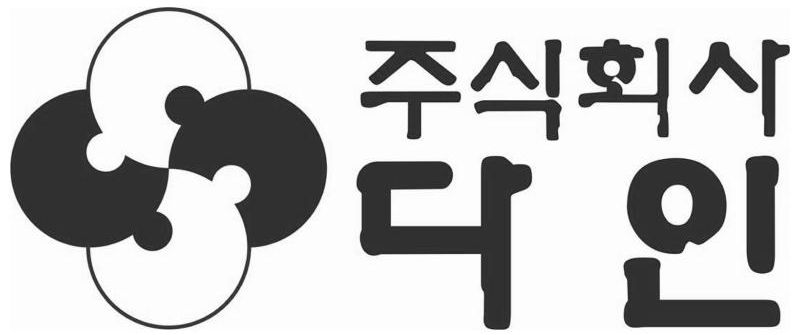
After the objection of 19 October 2021, refusal followed on 14 February 2022 and an appeal on 16 March. On 1 August 2023 the Board rejected that appeal in 2022Won573 under Article 34(1)(7), citing identical or similar marks and designated services. Separately, the applicant had requested cancellation of the earlier registration on 28 March 2022, case 2022Dang872.
Finality and the date of extinction
In the non-use proceeding, use in Korea for the designated services during the three years before the request was not proved, nor was a justified reason for non-use established. Cancellation was ordered on 20 December 2023, became final on 26 January 2024 and was recorded on 19 February 2024. The last date records cancellation finality; it is not registration of the applicant’s mark. Failure of proof in that proceeding should not be reduced to absence from an internet search.
For cancellation under Article 119(1)(3), the proviso to Article 119(6) deemed the right extinguished on the cancellation-request date once the decision became final. Here that date was 28 March 2022, not the decision, finality or recording date. Filing a request alone did not extinguish the right immediately; finality was the prerequisite for the retrospective effect.
Why the refusal decision was annulled
At the refusal appeal’s reference date, 1 August 2023, the earlier right was therefore treated as already extinguished. It could no longer qualify as another person’s registered mark based on an earlier application under Article 34(1)(7), read with Article 34(2). The court annulled 2022Won573 and placed costs on the defendant.
This result did not directly complete registration of the applicant’s mark or establish that the signs were dissimilar. Nor does every form of cancellation have the same retrospective date. The particular cancellation ground, statutory rule and legally relevant date must be identified.
Keep distinct timelines and evidence
Record the request, decision, finality and entry dates separately, then compare them with the refusal reference date. Keep the two case files and the rights concerned distinct. Proprietors should connect use evidence to the particular sign, services and period; the judgment does not prescribe one document that invariably defeats a non-use challenge.
The original figure labels and forms are preserved; the text explains the source material.