

Obtaining a patent is not the end of the process: businesses and inventors also need to maintain it.
However, a patent is a right that requires continuous management even after registration. In particular, in order to maintain patent rights, annual fees must be paid at regular intervals, and if this is missed, the patent rights acquired with great difficulty may lapse.
Today, we will learn about the meaning of annual fees, which are patent maintenance costs, why management is important, problems that may arise when annual fees are not paid, and even the possibility of recovering patent rights.
What is patent annuity?
Patent annual fees are fees paid to the Korean Intellectual Property Office to maintain registered patent rights.
In principle, the duration of patent rights in Korea is 20 years from the date of application. However, just because a patent has been registered does not automatically mean that rights remain in effect for the relevant period.
Patent holders must pay an annual fee from the first to the third year upon registration, and thereafter must pay a set annual fee every year to maintain their patent rights.
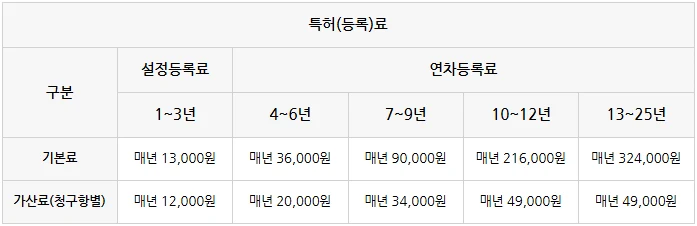
In other words, a patent can be said to be a right that requires continuous management even after registration.
Why is patent annuity management important?
A patent is not just a registration right, but an important asset that protects a company's technological competitiveness.
In particular, in the case of patents applied to core products or patents used in technology transfer or licensing business, whether or not rights are maintained can have a direct impact on business performance.
Therefore, annual fees can be viewed as a cost for managing patent assets rather than a simple maintenance cost, and systematic management is required.
What happens if I fail to pay my patent annual fee?
Many people think that if the annual fee is not paid, the patent right expires immediately, but the actual process is a little different.
If the annual fee is not paid within the payment period, an additional payment period is granted.
The additional payment period is 6 months from the expiration date of the payment period, and annual fees including additional fees can be paid during this period.

However, if payment is not made within the additional payment period, the patent right will expire retroactively.
In other words, it is not simply a problem of late payment, but a situation where the patent right itself can be lost.
If I miss the additional payment period, is it possible to recover my patent rights?
Many people believe that if they miss the additional payment period, the patent rights are completely extinguished and cannot be recovered.
However, the Patent Act provides for a patent recovery system in certain cases to protect the rights of patent holders.
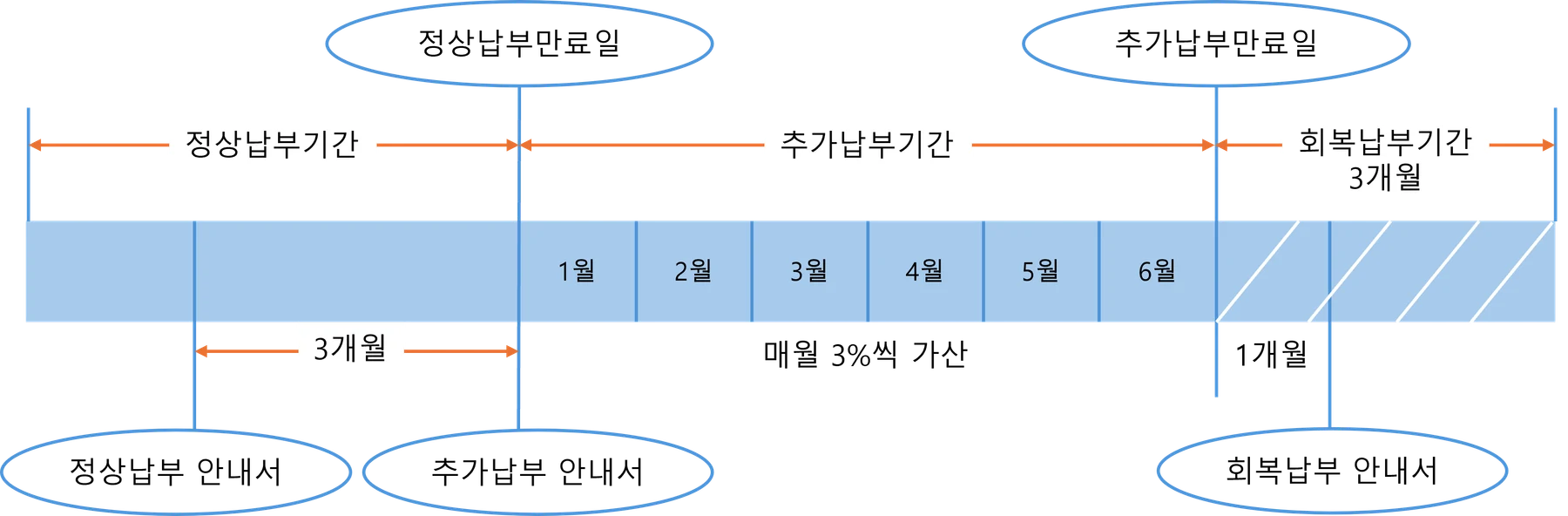
Even if the patent right is extinguished due to failure to pay the annual fee, rights recovery procedures can be initiated within 3 months from the expiration date of the additional payment period.
To seek restoration, pay twice the annual fee originally dueand submit a request for restoration of rights.
In other words, even if you miss the payment deadline, you are given the opportunity to recover your patent rights for a certain period of time.
However, additional costs are incurred in the recovery process, and if you miss the recovery payment period, it may become difficult to recover your rights. Therefore, in order to prevent unnecessary costs and the risk of loss of rights, it is most important to manage annual fees within the normal payment period.
What problems will arise when a patent expires?
1. Loss of technological exclusivity
Once a patent expires, you can no longer claim exclusive rights to the technology. Even if a third party uses the same technology, it may become difficult to claim patent infringement.
2. Setbacks in technology commercialization strategy
If you are conducting a technology transfer or licensing business using a patent, your business plan may be affected by the expiration of the rights. This is because the existence of a patent right can be an important factor in contractual relationships.
3. Weakening intellectual property portfolio
Patents held by a company are not simply the number of registrations, but are an asset that demonstrates technological competitiveness. Expiration of key patents may reduce the scope of protection of the entire patent portfolio and may also impact long-term IP strategies.
Patent registration is the beginning, not the end, of securing rights.
If you do not pay the patent annual fee on time, your patent rights may expire, and additional costs will be incurred even if you proceed with the rights recovery process.
Therefore, systematically managing patent maintenance costs and annual fee payment schedules is the most basic way to maintain the value of patent rights.
This article reflects the information available when it was published. Contact us to discuss your circumstances.