
In case 2026Heo10064, decided on 11 November 2026, Korea’s Patent Court upheld the refusal of a correction to Patent No. 2095598. The proposed narrower claim still lacked an inventive step. The proceedings concerned correction, distinct from the related invalidity case 2025Heo10367.
The proposed correction
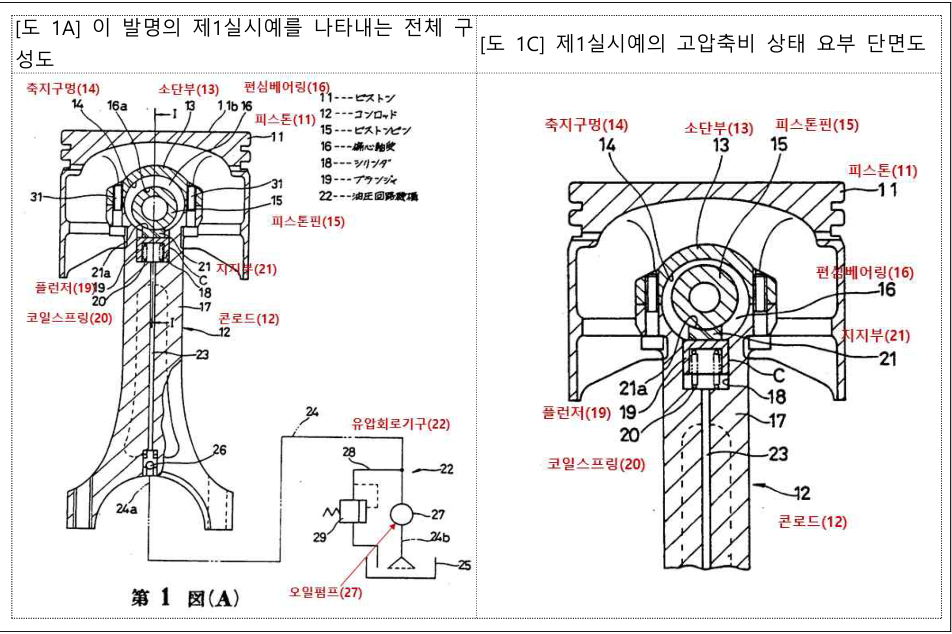
The patent concerns a large reciprocating-piston engine and compression-ratio control. Claim 1 was limited to adjustment while the engine operates, including adjustment for ignition characteristics or switching between diesel and gas fuel, using a hydraulic cylinder and piston inside the crosshead at the lower end of the piston rod. The separate correction request, filed on 30 April 2025, had been refused on 24 December 2025.
An old document remained relevant
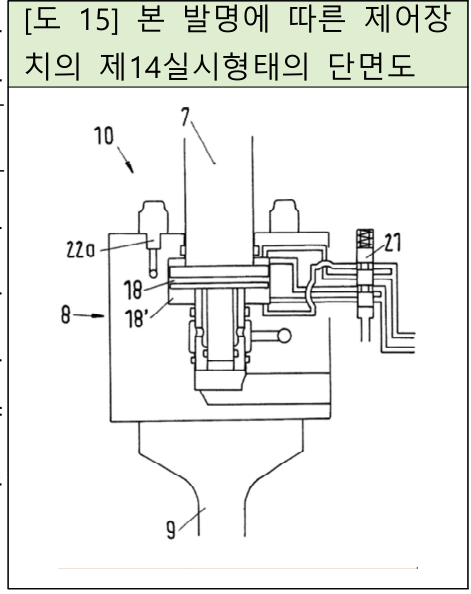
Prior art 1, dating from 1903, used oppositely threaded portions and a sleeve to move the piston rod relative to the crosshead. Its fuel-control linkage and sliding arrangement supported adjustment during operation when read with ordinary technical knowledge at the 17 July 2012 priority date. Age alone did not deprive the document of relevance. The asserted axial load and friction did not establish that the mechanism could not work. Other references also taught operating compression-ratio adjustment; a functional claim limitation did not require an identical mechanism.
Why the hydraulic arrangement was considered transferable
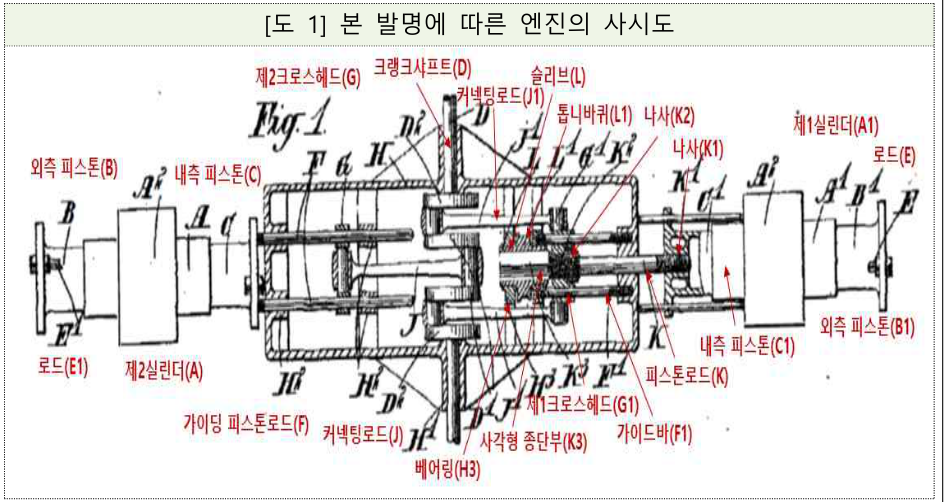
Prior art 3 placed a hydraulic cylinder and plunger in the small end of a connecting rod in an engine without a crosshead. Both that small end and a crosshead connect linear reciprocating motion to the angular motion of the connecting rod. Their shared compression-adjustment task supplied a reason to transfer the internal hydraulic arrangement. The comparison did not require importing the reference’s entire automatic-control system. The alleged space, movement and hydraulic-design obstacles were not substantiated beyond ordinary design work.
Fuel properties and the combinations
Prior art 2 addressed octane differences, prior art 6 different combustion speeds, and prior art 7 different fuels. The court found claim 1 obvious over combinations 1+2+3, 1+3+6 and 1+3+7. Merely narrowing the fuel conditions and operating state did not overcome those teachings.
The result and its practical significance
Because one claim failed the independent patentability requirement applicable to this correction request, the request as a whole could not be allowed; the court did not separately determine every remaining claim. A correction strategy should therefore identify the specific structural difficulty and supported technical effect that distinguish each amended claim, and address the consequences of presenting several corrections together.
The original figure labels and forms are preserved; the text explains the source material.